Who We Are
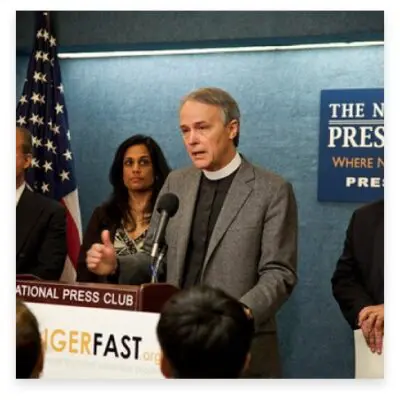
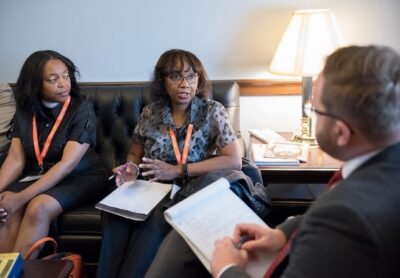
Bread for the World’s Policy and Research Institute (PRI) analyzes hunger and strategies to end it. PRI informs Bread’s current policy change agenda and advocacy with clear, evidence-based policy solutions that include relevant context and thoughtful analysis. PRI also tracks emerging issues and trends.
Support the Institute Today
Every tax deductible gift you give to the Bread for the World Institute supports nonpartisan research, education, and policy analysis on hunger and strategies to end hunger.

Meet Bread Policy Experts
Katie Garcia
Director of Policy and Research Institute
Sakeenah Shabazz, MMP
Deputy Director, Policy and Research Institute
Rick Rowden
Senior International Policy Advisor
Taylor Johnson
Domestic Policy Advisor
Isabel Vander Molen
Climate Hunger Policy Advisor
Institute Insights
Institute Insights is a monthly publication with updates and context on a range of issues related to ending hunger and malnutrition. It enables advocates to communicate more confidently with others about solutions to hunger.
U.S. Hunger Data Dashboard
Hunger is a moral issue. One that we can measure, understand, and change. The U.S. Hunger Data Dashboard brings together several indicators of hunger and food insecurity to show who is affected, where needs are the greatest, and how policies and programs are making a difference.
We invite you to explore the dashboard, learn from the trends, and use these insights to inform your advocacy to end hunger.

Hunger Report | 2020 - 2019
The 2020 Hunger Report, Better Nutrition, Better Tomorrow, charts a path to ending global hunger and malnutrition by tackling structural inequities within food systems, which became all the more visible amid the COVID-19 pandemic.
The 2019 Hunger Report, Back to Basics: How to End Hunger by 2030, offers solutions to both U.S. and global hunger. The report explores five challenges that require more attention to achieve a world without hunger: nutrition, livelihoods, gender, fragility, and climate change.
Hunger Report | 2018 - 2017
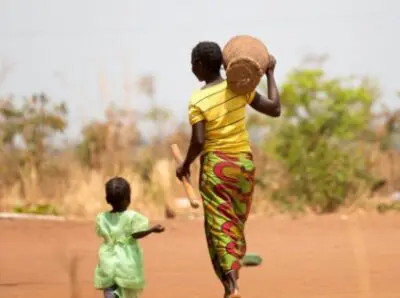
The 2018 Hunger Report, The Jobs Challenge: Working to End Hunger by 2030, outlines recommendations to improve job opportunities and wages. It offers Congress a menu of policies that would improve job opportunities for low-income workers, and argues that improving job opportunities is crucial to overcoming hunger and poverty.
The 2017 Hunger Report, Fragile Environments, Resilient Communities, explains how state fragility stands in the way of ending hunger and extreme poverty. Fragile states are countries where high rates of hunger and poverty are compounded by civil conflict, poor governance, and vulnerability to climate change.

Hunger Report | 2016 - 2014
The 2016 Hunger Report, The Nourishing Effect: Ending Hunger, Improving Health, Reducing Inequality, explores the connections among hunger, food insecurity, and health problems in the U.S.
The 2015 Hunger Report, When Women Flourish … We Can End Hunger, examines the links between global women’s empowerment and ending hunger and malnutrition. One cannot be achieved without the other. Gender equality depends on strengthening women’s bargaining power, reducing their burden of unpaid work, and building a collective voice in public life.
The 2014 report, Ending Hunger in America, provides a detailed, four-part plan to end hunger in the U.S.
Areas of Focus
- Global hunger and poverty
- U.S. hunger and poverty
- U.S. populations most impacted by hunger
- U.S. international development assistance
- Global sustainable development goals
- Maternal / child nutrition
- Food security and smallholder agriculture
- Climate change

Laying the Groundwork for Advocacy
Solving a complex problem such as hunger requires a clear understanding of the impact of specific policies and how policies affect each other. The Institute’s nonpartisan analysis and identification of action steps help strengthen Bread as a trusted voice in national life.