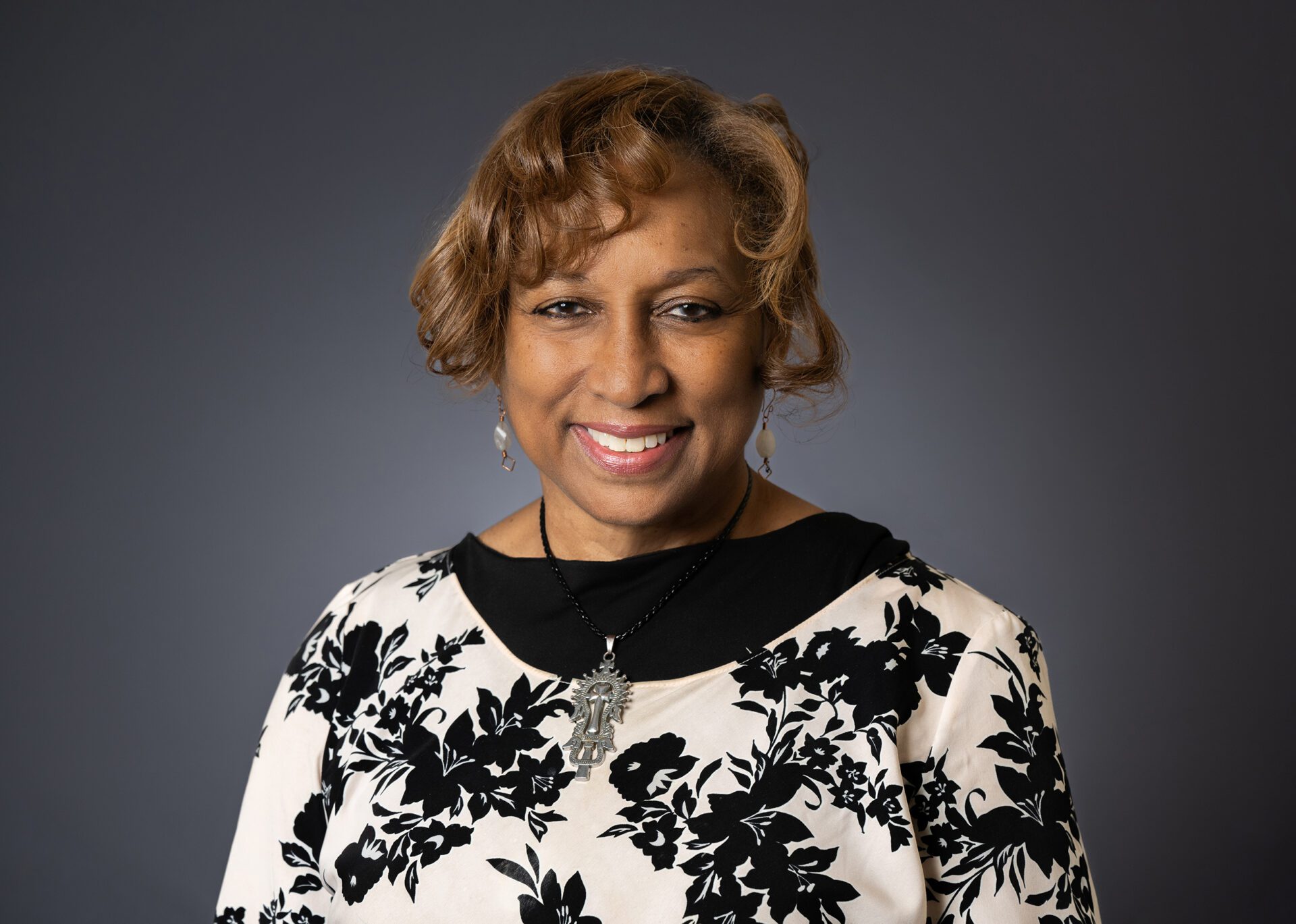
By Angelique Walker-Smith
When Naomi heard in Moab that the Lord had come to the aid of his people by providing food for them, she and her daughters-in-law prepared to return home from there …. But Naomi said, “Return home, my daughters. Why would you come with me?
Ruth 1:6 and 11
These words are often cited as lessons about abiding with another, especially when it comes to hard or devotional love between mother and daughter(s) or as a redemptive story that recounts a great hardship that ends with a new future.
This Thanksgiving season, I am offering another focus: returning home.
Many of us will do this in some way for Thanksgiving. But on any day, we may return to a home through our memories, evoking feelings of sorrows, lamentations, hopes, or joys—whether with or without our families. As we enter November, we may have just reflected on who we are and who our ancestors were as we traversed All Hallows Eve and All Saints Day.
Last month, I had the opportunity to visit the original homelands of many people of African descent here in the United States. Luanda, Angola, was one of the major ports of departure of African peoples from the continent of Africa to the place known today as Point Comfort (modern-day Hampton, Virginia). Although I have also visited such locations in Ghana and Senegal, this visit felt different—yet strangely familiar.
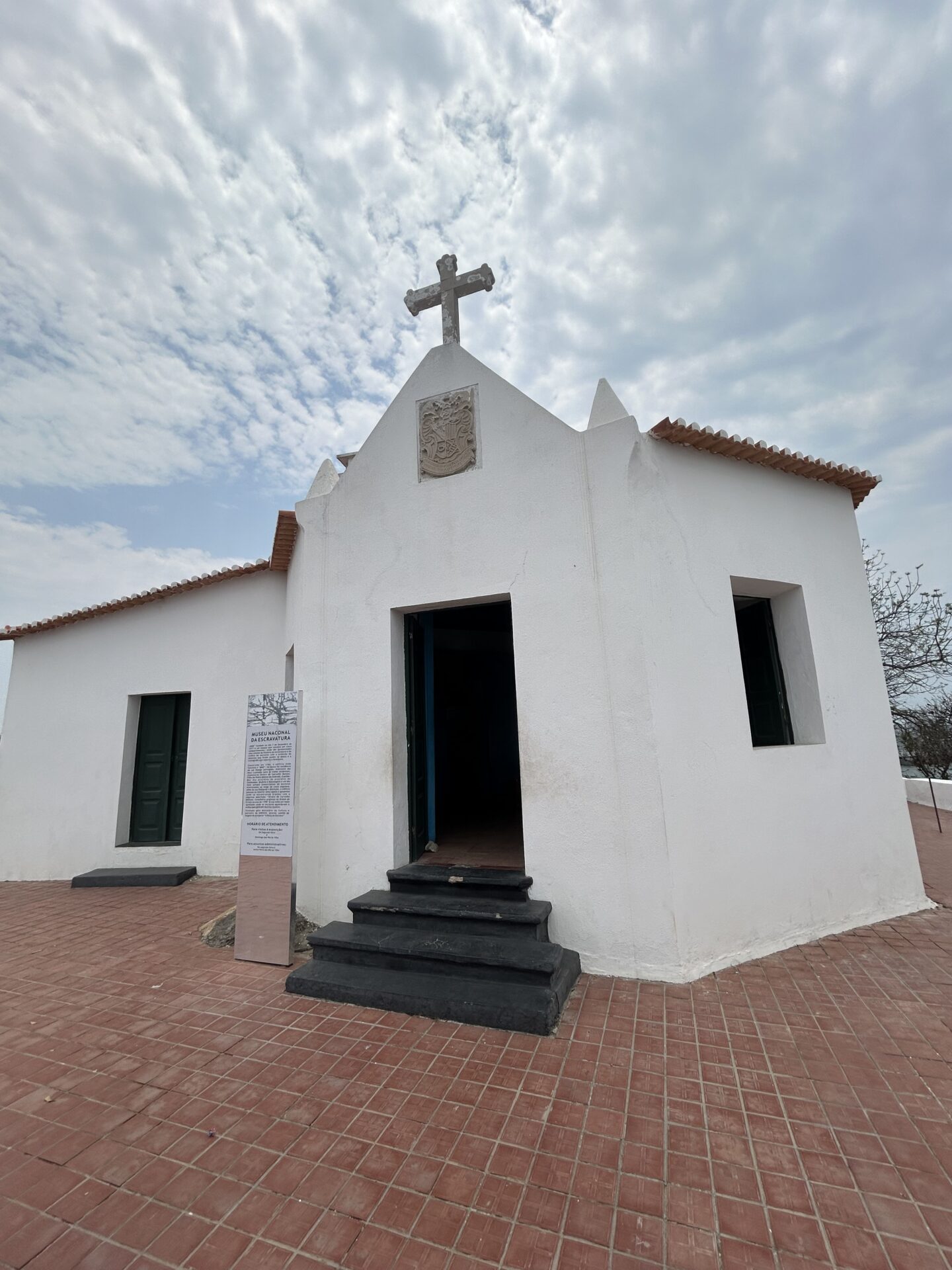
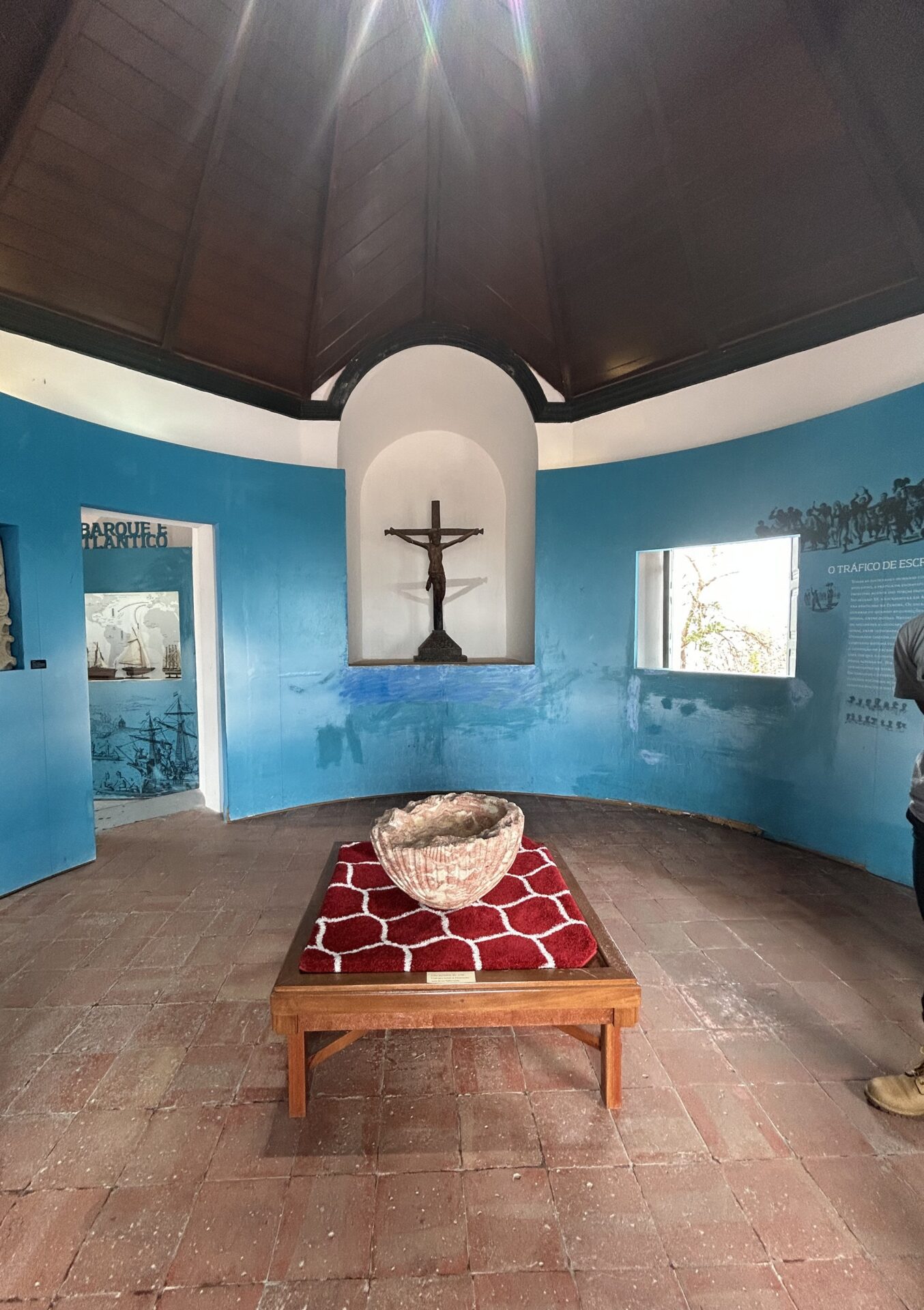
In Luanda I encountered the “doors of no return” of our enslaved ancestors, located in a church, just like the door of no return in the lower level of a church in Ghana. In the case of Luanda, African peoples were “baptized” in the baptismal font and then “benedicted” before being shackled, sedated, and sent to their unknown destiny across the Atlantic Ocean. Luanda was one of the single largest port of embarkation across the Middle Passage, with an estimated 12.8 million enslaved people departing from the city.
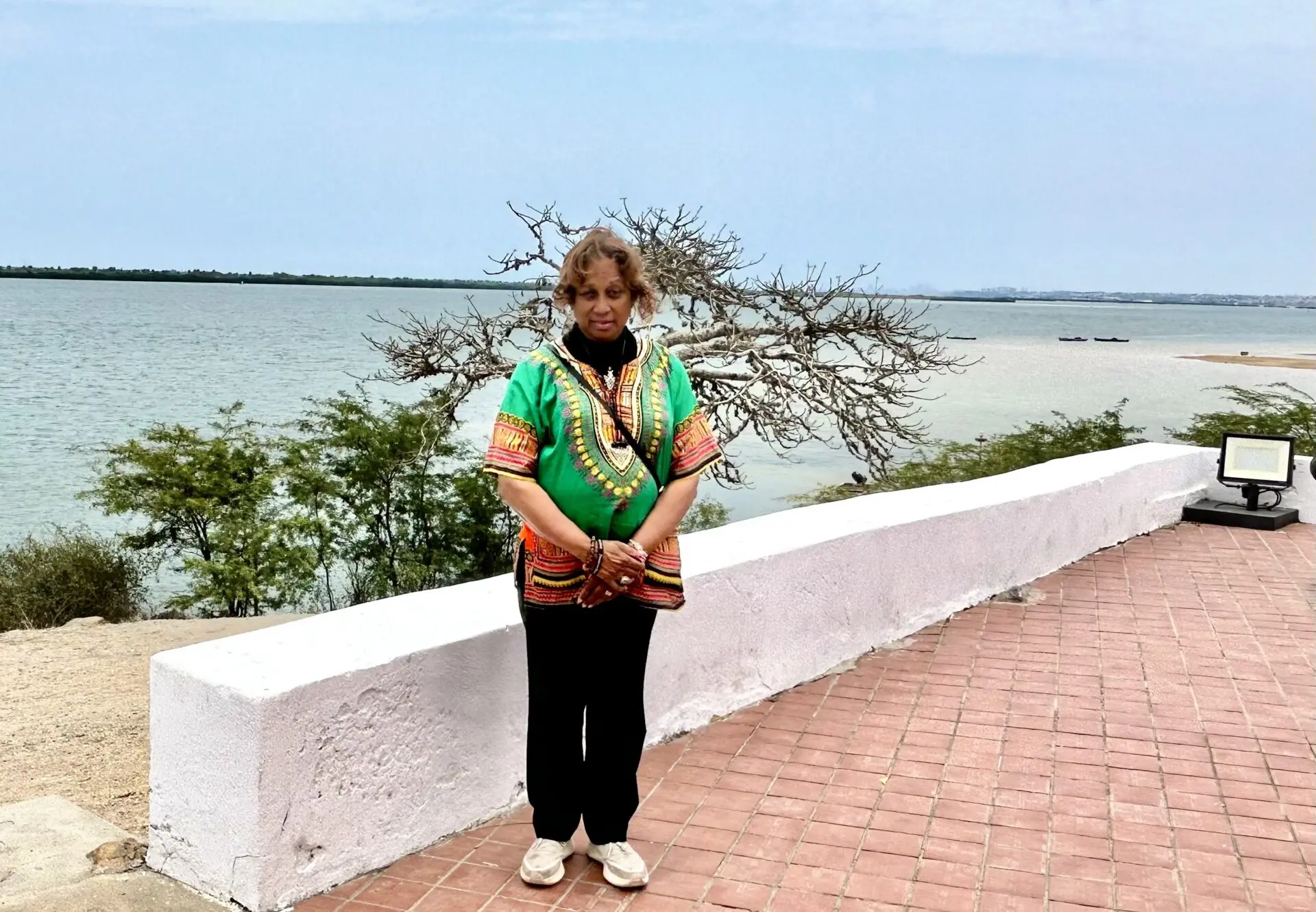
Hunger, extreme violence, and the fundamental rejection of human dignity and rights of African peoples did not only originate in Angola and Ghana but across many other port cities. More than 12.5 million individuals went through doors of no return in Lunanda, with an estimated 2.5 million of these persons dying on the seas.
You can find out more about the 1619 situation in Angola in our 2019 devotional “Lament and Hope: A Pan-African Devotional Guide Commemorating the 2019 Quad-Centennial of the Forced Transatlantic Voyage of Enslaved African Peoples to Jamestown, Virginia (USA).”
Bread for the World’s Racial Wealth Gap simulation addresses how policies and practices of that period have contributed to the root cause of hunger, poverty, and other ills that disproportionately affect African peoples today. The racial wealth gap in the United States is 7:1 when it comes to people of European ancestry versus those of African descent.
But despite the lamentations of this history, African people continue to show resilience and resistance. The courage of Naomi and Ruth tells us that individuals who face profound struggles like famine, hunger, violence, and abuse can still find pathways of healthy return and futures.
During upcoming holidays, as you return home—where both lament and hope are to be found—be encouraged by this good news and have a beautiful Thanksgiving season. The story of Naomi and Ruth tells us that we can truly give thanks for the hope our God graciously gives to us.
Related Resources
Here We Go Again!
By Angelique Walker-Smith“Here you come again… Just leave it up to you and in a little while,You’re messin’...

250 Years of Multi-Generational Life Stories in the United States
“Remember the days of old, consider the years of many generations: ask thy father, and he will shew...