By Gauranga Das
Editor’s note: Institute Insights is pleased to include this article that describes the work of Annapurna Mission, an initiative that promotes agroecology in India. The author participated in Bread for the World’s inaugural Climate and Nutrition Symposium in April 2025.
As part of our ongoing advocacy to end hunger and malnutrition around the world, Bread for the World emphasizes that caring for the Earth and creating sustainable food systems are essential contributions to the ability of people everywhere to eat sufficient nutritious food.
As globalization and industrial agriculture push uniformity and convenience, local food traditions are rapidly disappearing. The result? A food system that strains the planet, undermines health, and erodes culture.
According to the World Health Organization (WHO), about 3 billion people around the world cannot afford a nutritious diet. Simultaneously, more than 2.5 billion adults are overweight, including 890 million classified as obese. In India, childhood stunting and anemia continue to damage the health of millions.
The global food system is not only failing people, but also the planet. According to the World Wildlife Foundation (WWF), food production accounts for over a quarter of global greenhouse gas emissions, uses 70 percent of freshwater, and costs up to $15 trillion annually in health and environmental damage. Within the agricultural sector, excessive reliance on meat production can exacerbate the crisis by harming ecosystems and causing outbreaks of zoonotic disease.
In response to these conditions, a movement is quietly taking root in a forested corner of Maharashtra, India’s second-largest state, which stretches along the country’s western coast. The movement is centered around Govardhan Exchange (GEV).
GEV: Cultivating Change
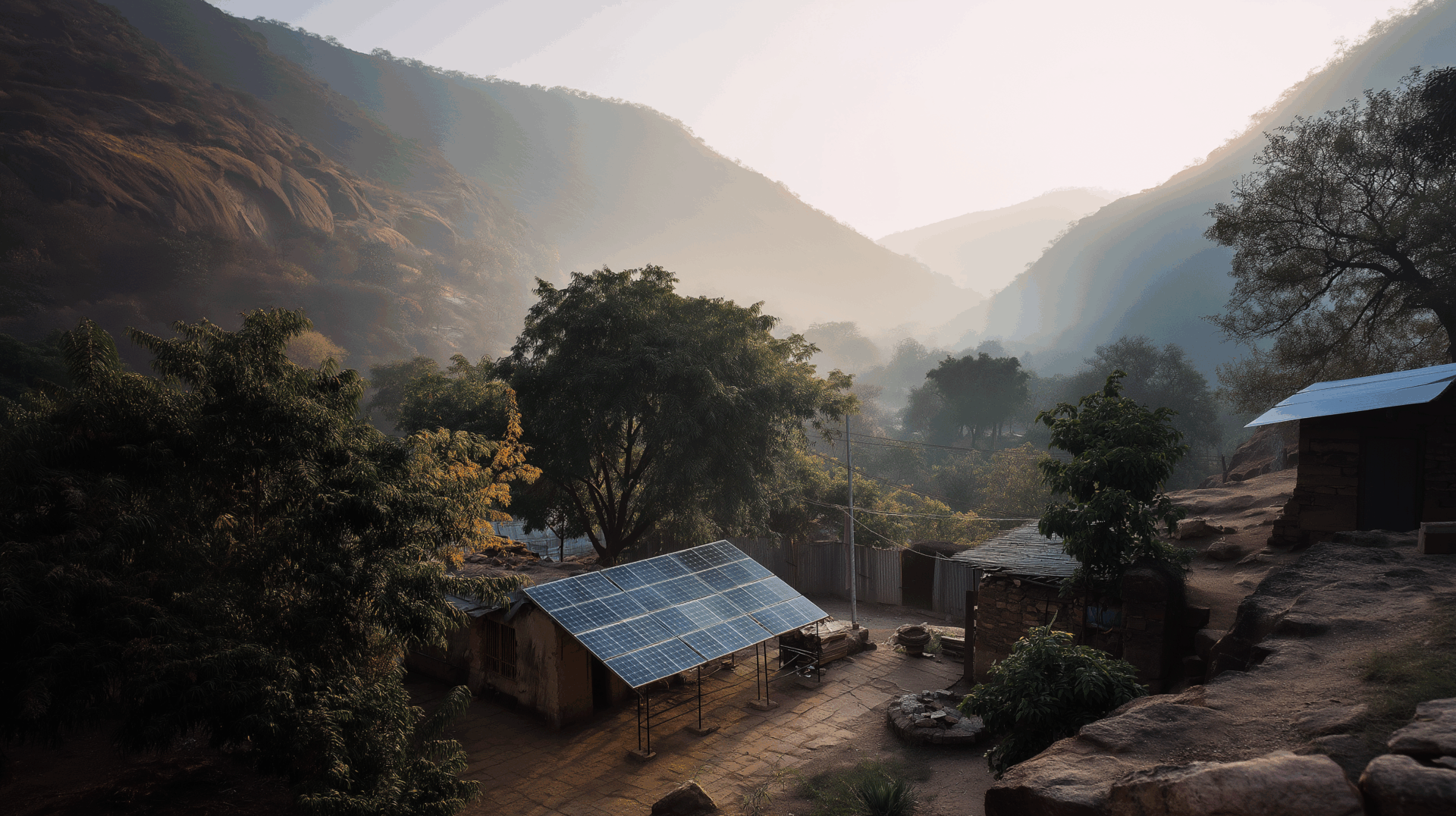
Nestled in the Sahyadri Hills, GEV is not just a spiritual retreat, but a hub of agroecological innovation. With solar-powered infrastructure, rainwater harvesting, biogas plants, and a rare seed bank, GEV is a living model of sustainability. It holds special consultative status with the United Nations Convention to Combat Desertification (UNCCD) and actively engages in global forums such as the United Nations Environmental Assembly (UNEA-6) and Civil 20 (C20). In 2023, GEV hosted a C20 India conference on food systems, and in 2024, it took a leadership role in the C20 Brazil Working Group on Food Systems, Hunger, and Poverty.
Annapurna Mission: A Vision for Conscious Food Systems
At the heart of GEV’s work is Annapurna Mission, a bold initiative with a vision of building what it calls a Conscious Food System (CFS). CFS is a food system that nurtures both people and the planet. In Hindu mythology, Annapurna is the goddess of food, nourishment, and abundance. Guided by faculty from the Indian Institute of Management at Ahmedabad and supported by food system experts, the mission blends policy, tradition, and grassroots action. It is grounded in the belief that food should be accessible, affordable, culturally acceptable, and life-affirming.
“Food is not just about nutrition,” says Shri Gauranga Das, Director of GEV. “It is about identity, ecology, equity, and consciousness. Annapurna Mission is our way of bringing that holistic vision into public life.”
Reviving Culture Through Cuisine: The M3T Campaign
Annapurna Mission is turning this vision into action through one of its flagship efforts: Meri Maati Meri Thali (M3T), which means My Soil, My Plate. This national campaign reconnects people to local, seasonal, and traditional foods, addressing today’s most pressing global challenges—malnutrition, climate change, biodiversity loss, and cultural erosion. Inspired by India’s Millet Mission, M3T aims to:
- Promote traditional diets as healthy, climate-smart alternatives
- Celebrate regional culinary identities
- Increase farmer incomes through raising demand for indigenous crops
- Reduce dependency on monoculture and processed foods
In Palghar district, where the campaign is being piloted, GEV has researched native recipes and farming practices. Every weekend, visitors can taste the Madan Mohan Thali at Govindas restaurant. It includes a curated menu of seven heritage dishes, all locally sourced. For many, it’s not just a meal, but a rediscovery.
From Dialogue to Policy: Scaling the Vision
Annapurna Mission is also invested in shaping food system policy. The roadmap includes:
- Stakeholder Consultations: Dialogues with farmers, consumers, spiritual leaders, and policymakers
- Policy Development: Clear, actionable policies based on evidence, experience, and expert consensus
- Thought Leadership: Publishing toolkits, dietary guidelines, and community education materials that inspire action at scale
Over the next few years, Annapurna Mission will focus on expanding its research, advocacy, and implementation footprint, making “conscious food” an aspirational choice across India and beyond.
This is more than food. It is a movement for dignity, ecology, and resilience.
Visit www.ecovillage.org.in to learn more. Eat consciously. Live harmoniously.
Gauranga Das is the director of Govardhan Exchange, which implements the Annapurna Mission initiative in Maharashtra State, India.
Deepen your understanding of hunger’s causes and solutions – join our Institute Insights community and receive free, research-based articles like this one straight to your inbox.
Join Our Community
Related Resources
Everyone Deserves a Place to Buy Food
By Jessica Van Tassel In many communities across the country, a simple need goes unmet: access to a...

Investing in the Planet is Investing in Global Food Security
This year, the world celebrates Earth Day on April 22. The theme is “investing in the planet.” The...