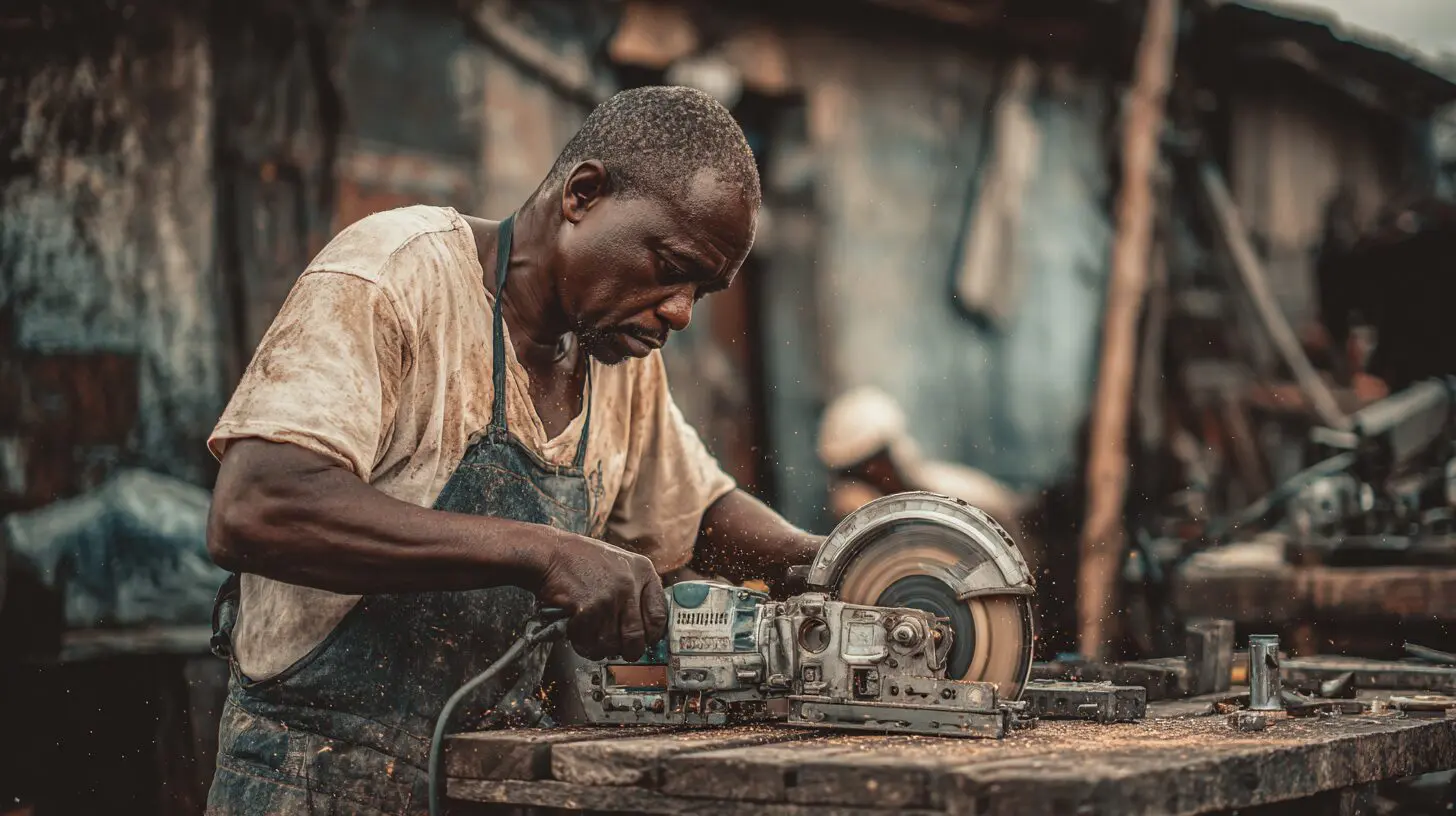
Electricity is essential to our daily lives. An interruption of more than an hour or two can be a significant disruption: What about the food in the freezer? How can I charge my cellphone? Even more fundamentally, how can we go about our normal lives in the dark?
For about 600 million people in Africa, life means living without reliable access to electricity. Cooking, reading, and keeping warm or cool are more difficult. Farming is far more labor-intensive yet produces less food. Relying on collecting and burning firewood is becoming less and less sustainable as Earth’s population grows and greenhouse gas emissions change the climate.
This is why Mission 300, a new initiative to expand access to electricity in Africa, is so important. It will take extraordinary efforts with an “all hands on deck” approach to bring energy security to hundreds of millions of people. The good news is that the initiative is a partnership between two international financial institutions (IFIs), the World Bank Group (WBG) and the African Development Bank (AfDB), and it has attracted support from other stakeholders, whose contributions are essential to securing the financial resources needed for electrification projects.
Bread for the World is a longtime advocate of U.S. support for IFIs, which implement global nutrition and anti-poverty initiatives that advance our mission of ending hunger. Mission 300’s goal of achieving universal access to electricity is an essential component of ending hunger.
According to the Food and Agricultural Organization of the United Nations, energy security is critical for global food security, from powering machinery and irrigation systems to producing fertilizers and transporting fresh fruits, vegetables, and other foods.
Through the Mission 300 partnership, African governments, the private sector, and development partners will work together to ensure greater energy security, which in turn will support economic growth and improved food security. The availability of electricity will help spur opportunities for Africa’s youth.
Africa is the continent with the youngest population worldwide. As of 2024, approximately 40 percent of the population of Sub-Saharan Africa was 15 or younger. In 2023, there were about 211 million children younger than 5, and a total of approximately 680 million children under 18. African children are nearly 25 percent of the world’s children.
Access to reliable, affordable, and sustainable energy, such as electricity, is critical for children’s access to food and education. When daily activities such as household chores and farming are less labor-intensive and more productive, secondary benefits include greater food availability and resources for school feeding programs.
The West African country of Côte d’Ivoire is nearing universal access to electricity. The World Bank’s International Finance Corporation (IFC) gives an example of a family who has benefited from access to electricity.
The Kima family live in Anono, a village on the outskirts of the capital city of Abidjan. In the evening, the room where 10-year-old Aziz Kima does his math homework is brightly lit thanks to the household’s recent connection to the electricity grid. As his mom, Gisèle Kima, says, “It is more practical and less dangerous than studying by candlelight.” Gisele’s work as a seamstress is also easier and more productive because she has electricity.
The Mission 300 initiative underscores the power of global partnerships to help advance prosperity. The WBG and the AfDB are working with partners like the Rockefeller Foundation, Global Energy Alliance for People and Planet, Sustainable Energy for All, and the World Bank’s Energy Sector Management Assistance Program (ESMAP) trust fund to mobilize resources and align efforts in support of powering Africa. Many development partners and development finance institutions are also supporting Mission 300 projects through co-financing and technical assistance. It is worth noting that the United States and other industrialized countries relied on a similar combination of stakeholders to achieve their own universal electrification.
Mission 300 is not without its critics, who have raised concerns about the initiative’s reliance on fossil fuels in some countries. Governments around the world have agreed that humanity’s use of fossil fuels must be reduced immediately to limit the increase in Earth’s temperature to 1.5 degrees Celsius. Other stakeholders have opposed plans to finance the project with concessional loans to governments rather than grants, arguing that this will only exacerbate Africa’s debt burden. While critics agree that Mission 300 has great potential, they emphasize that it must prioritize sustainability and local ownership and control, and must not increase debt.
If successful, Mission 300 will contribute to U.S. programs that Bread supports, such as the McGovern-Dole Food for Education program, which relies on local partnerships and has served over 5 billion school meals, and Feed the Future, the signature U.S. food security initiative that focuses on agriculture and nutrition. To be most rapid and effective, economic development requires consistent access to energy, from farms to classrooms.
Mission 300, along with its broad coalition of stakeholders, is set to make a historic improvement in access to energy in Africa that will enable millions of people to create better livelihoods for themselves and their families.
Abiola Afolayan is director, Policy and Research Institute, with Bread for the World.
Deepen your understanding of hunger’s causes and solutions – join our Institute Insights community and receive free, research-based articles like this one straight to your inbox.
Join Our Community
Related Resources
How Humanitarian Assistance Saves Lives
When global catastrophes strike, whether through conflict, natural disasters, or disease, communities find themselves without the most basic...

WORKING TOGETHER TO END HUNGER: 2025 Legislative and Policy Achievements
A series of administrative and congressional actions this year dealt devastating blows to the United States’ international assistance...