When global catastrophes strike, whether through conflict, natural disasters, or disease, communities find themselves without the most basic means. In these moments, humanitarian aid organizations provide a lifeline, offering food, shelter, medicine, and protection to people in immediate and urgent need.
Unlike long-term development programs, these programs are designed to temporarily stabilize people and families by restoring dignity and livelihoods in the face of crisis. Regardless of who they are or where they come from, humanitarian aid ensures assistance reaches people based on need. But beyond material needs, humanitarian assistance also offers hope by serving as families’ first step to recovery after a disaster. Bridging the gap between crisis and rebuilding, humanitarian aid serves as a reminder of our shared responsibility to stand with those who need it most, and it also strengthens U.S. security and prosperity by fostering stability, reducing conflict, and building goodwill around the world.
As humanitarian crises persist around the world, it is imperative to understand that disruptions in funding or aid delivery could put millions of lives at risk and derail efforts to stabilize communities facing famine, conflict, or disaster.
What is humanitarian aid?
Humanitarian aid is immediate and short-term relief to people, designed to meet basic human needs in the face of disaster in the form of food, clean water, shelter, health care, and education.
It is guided by four principles: humanity, neutrality, impartiality, and independence.
Humanitarian aid ensures that aid reaches the most vulnerable people, regardless of the circumstances. This relief is vital in the aftermath of conflict, natural disasters, famine, or mass displacement, and is often the only means of survival for affected populations.
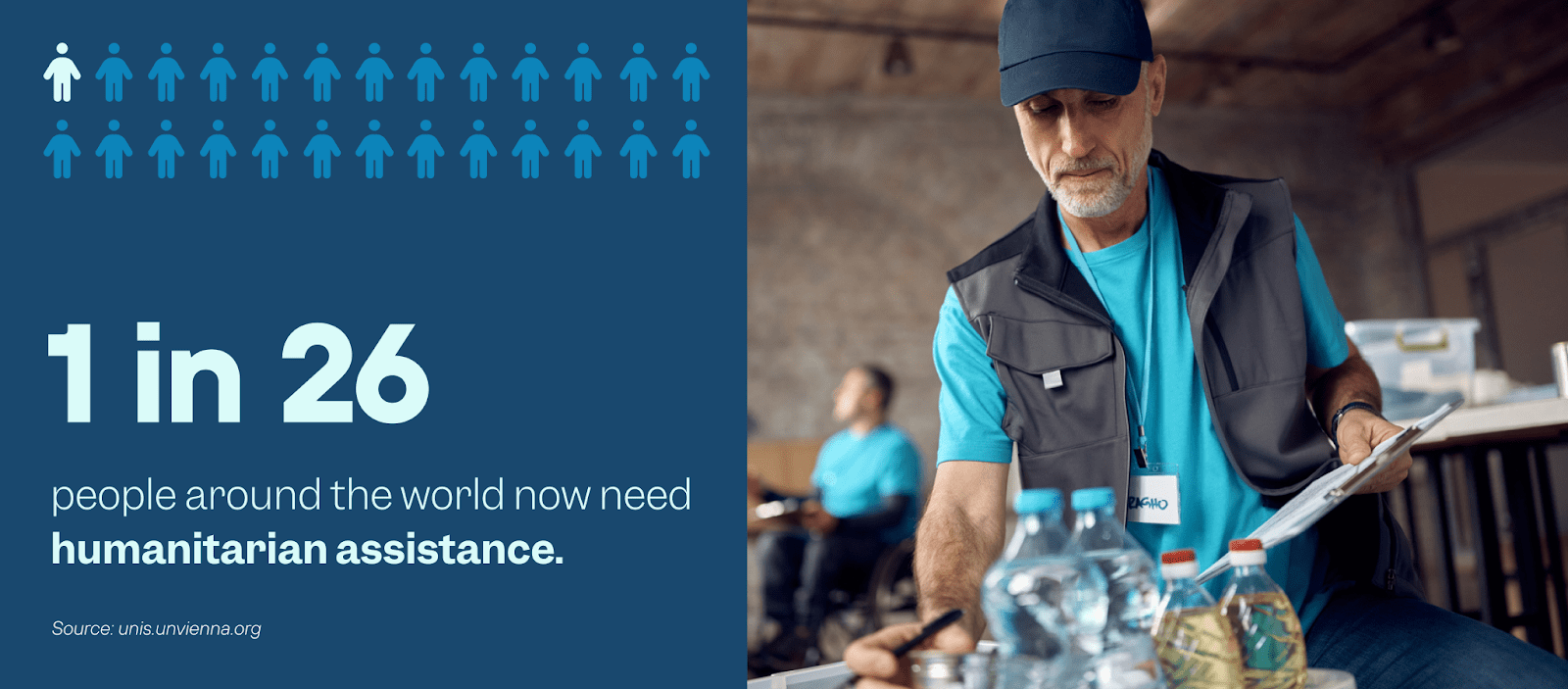
The United Nations estimates that about one in 26 people around the world now need humanitarian assistance due to factors like conflicts, climate shocks, and economic crises. With more than 117 million displaced people and over 280 million facing acute food insecurity, humanitarian aid is a lifeline that bridges the gap between crisis and recovery.
What are the types of humanitarian aid?
Humanitarian aid takes many forms to meet the needs of people in times of crisis: from emergency food and clean water to shelter, medical care, and education. It is designed to provide immediate relief, restore dignity, and help communities rebuild in the aftermath of conflict, disaster, or displacement.
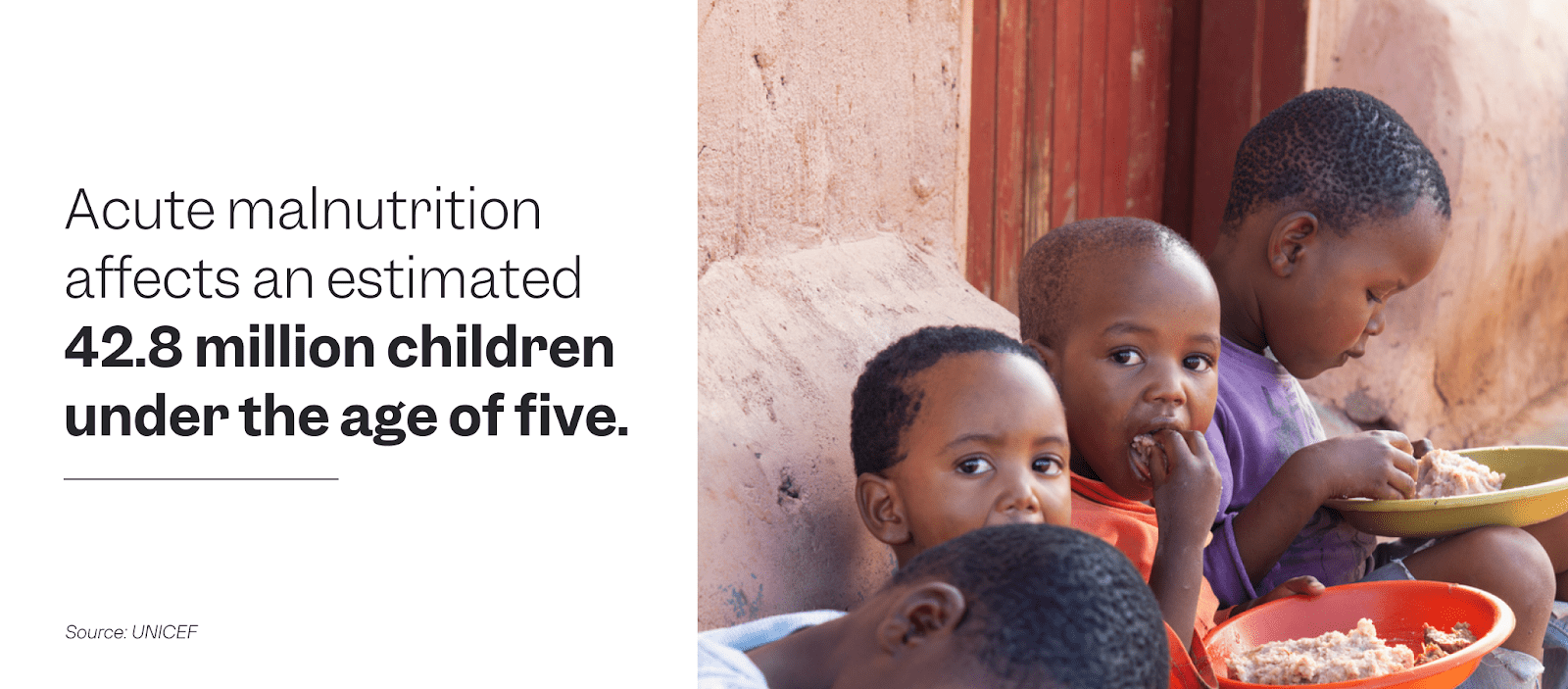
- Food aid addresses hunger and malnutrition by providing emergency rations, nutrition programs, and school feeding initiatives, as acute malnutrition affects an estimated 42.8 million children under the age of five at any given time. Additionally, efforts like the McGovern-Dole Food for Education Program also provide access to nutritious school meals for children in low-income countries, with the support of local and U.S. farmers. These efforts not only save lives in the short term but also create a foundation for healthier, more resilient children. Bread for the World supports these initiatives by advocating for effective U.S. food aid programs worldwide.
- Medical aid ensures access to communities in crisis with life-saving health services. This includes hospitals, mobile clinics that reach remote areas, vaccination campaigns to prevent outbreaks, and maternal care to safeguard the health of mothers and their newborns. Organizations like Doctors Without Borders (MSF) provide maternal and child health care to some of the world’s most vulnerable regions. Addressing urgent medical needs and long-term health challenges, medical aid restores essential services by reducing preventable deaths and laying the groundwork for sustainable recovery.
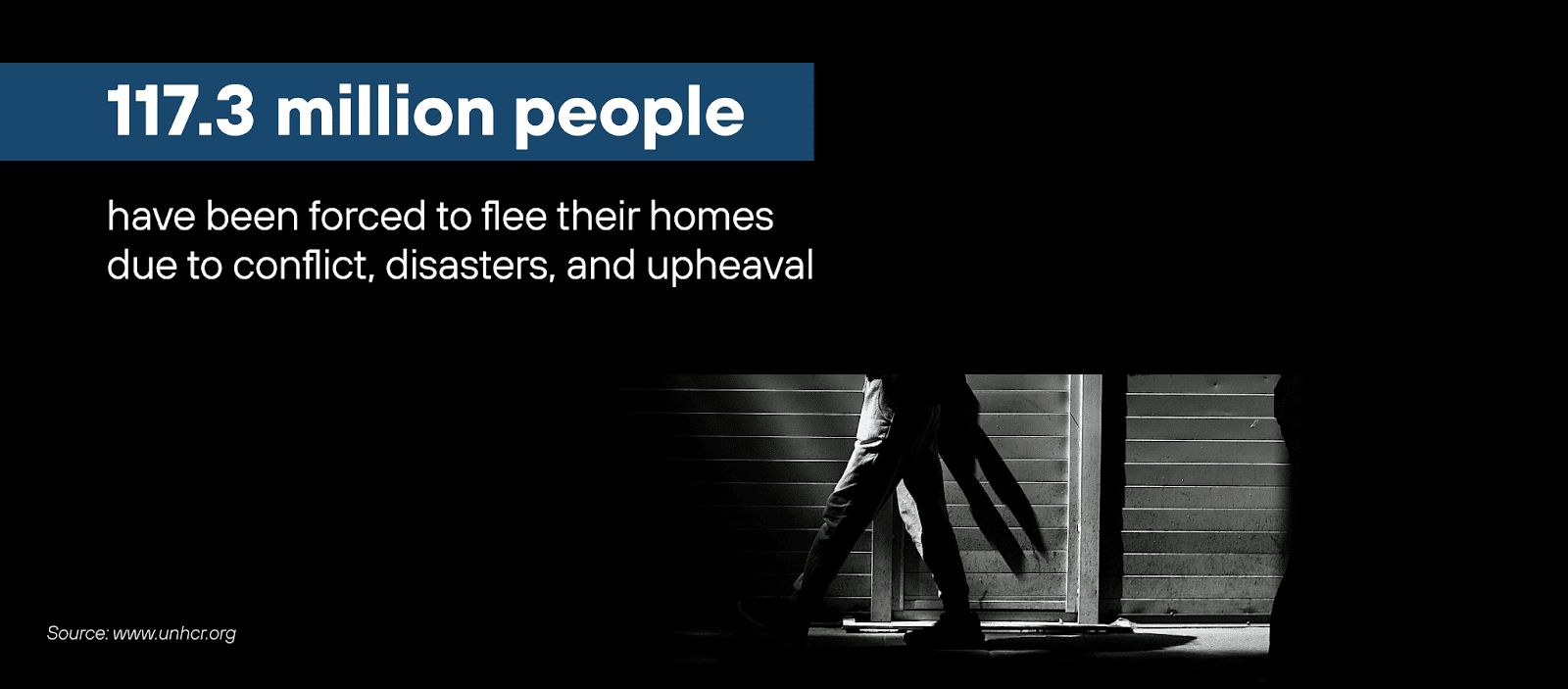
- Shelter and infrastructure aid provide safety and stability for people displaced by crisis. Support can range from temporary housing and tents to clean water systems and sanitation facilities that prevent the spread of disease. Today, an estimated 117.3 million people have been forced to flee their homes due to violent conflict, natural disasters, and political or economic upheaval. In response, organizations like UNICEF deploy High Performance Tents that offer immediate protection from the elements while also reducing exposure to violence and illness. By restoring safe living conditions and shelter, infrastructure aid helps communities survive and begin the process of rebuilding.
- Restoration aid focuses on rebuilding essential infrastructure that makes all other forms of assistance possible. In the past decade alone, 1.7 billion people have been affected by extreme weather and climate-related disasters. As these issues continue to grow in frequency and intensity, things like droughts, floods, and other climate shocks devastate food supplies, disrupt agricultural production, and displace entire communities. Programs like the World Food Programme’s Food for Assets (FFA) address these challenges by rehabilitating farmland, constructing irrigation canals, building roads, and creating water points, supporting and strengthening infrastructure against immediate and future crises.
Major Humanitarian Assistance Programs
The U.S. government’s Food for Peace program and the United Nations’ World Food Programme are two of the largest initiatives fighting hunger worldwide, one serving as a major funder and administrator of U.S. food aid and the other as a leading implementer of food assistance around the world.
- Food for Peace, the United States’ flagship food aid program, provides both emergency assistance during disasters and long-term support to strengthen food security in vulnerable regions. Established in 1954 under the Agricultural Trade Development and Assistance Act, the program was created to use U.S. agricultural abundance to address hunger overseas while also promoting global stability. Food for Peace has delivered aid to millions of people affected by conflict, natural disasters, and chronic food insecurity, with programs beyond food that also improve agricultural production and sustainability and community well-being. Combining immediate relief with long-term solutions, Food for Peace continues to play a role in America’s humanitarian response around the world.
- World Food Programme (WFP) is the world’s leading humanitarian organization, combating hunger and famine across the globe through emergency relief, immediate food assistance, and long-term agricultural training and school meals programs to ensure sustainability, security, and resilience. During emergency relief efforts, WFP delivers emergency food, which often relies on high-energy, pre-packaged biscuits that can be eaten without water, cooking, or other preparations. They also restore roads and bridges destroyed in natural disasters, as well as telecommunication networks under the UN’s emergency communications relief efforts. WFP also uses modern technology to monitor the escalation of emergencies to prepare and intervene as soon as they happen.
Addressing hunger crises immediately is especially important as the first 1,000 days of a child’s life play an irreplaceable role in shaping their life-long development: If a child does not receive sufficient nourishment, there will be serious, if not irreversible, long-term consequences to their mental and physical health.
Nearly 43 million children suffer from the most dangerous form of malnutrition known as severe acute malnutrition, or wasting, and hunger ultimately claims the lives of 3 million children each year. 57 percent of individuals who receive WFP assistance are children. Wasting is what occurs when a child rapidly loses weight or fails to gain weight from not eating enough food or not getting the right nutrients that serve to nourish them. For children under 5, malnutrition is responsible for 45 percent of deaths. In the last year, WFP helped nearly 28 million mothers and children. And while this impact is life-changing and undeniable, as of right now, we are only able to reach about a quarter of the children experiencing the most severe levels of malnutrition. More help is needed.
How does Bread support humanitarian assistance?
One piece of Bread for the World’s Nourish Our Future campaign, launched in early 2025, outlined the funding needed for key global nutrition programs. The campaign aims to eradicate child hunger in the United States and worldwide by advancing policies such as expanding the Child Tax Credit, strengthening the Special Supplemental Nutrition Program for Women, Infants, and Children (WIC), addressing food insecurity on college campuses, and increasing U.S. support for global nutrition. Emphasizing bipartisan cooperation in Congress, Nourish Our Future demonstrates how investing in nutrition delivers significant returns in health, education, and long-term economic stability.
For example, it aims to set total global nutrition funding at $165 million annually to save the lives of about 8,000 children and 250 mothers, save 34,000 children from stunting, prevent over 61,000 cases of child wasting, support 11,000 mothers through breastfeeding of their children, and stop anemia in more than 97,000 children and 185,000 women. Bread for the World also estimates that the Food for Peace program would require annual appropriations of $1.62 billion to continue reaching the most vulnerable during times of crisis, including armed conflicts and war.
Where is humanitarian aid most needed today?
Humanitarian aid varies across many different parts of the world, requiring a solution to the unique challenges that every region faces. In conflict zones, displaced families require urgent shelter, medical care, and protection, while in areas struck by natural disasters, priorities include clean water, food, and temporary housing. Recognizing these complex demands require local context, effective humanitarian aid must be tailored to address the needs of each community with culturally informed strategies towards long-term recovery.
- The Middle East, marked by ongoing conflicts, relies heavily on medical relief and food assistance to reach civilians trapped in war zones where healthcare systems are often severely weakened or destroyed.
In Gaza, the crisis has reached catastrophic levels—famine was confirmed in August 2025, and an estimated 1.9 million Palestinians, or 90% of the population, have been displaced. Humanitarian aid, such as access to basic needs like food, water, and medical care, is essential for survival.
- In Africa, prolonged droughts, recurring famine, and conflict-driven hunger make food aid and agricultural support essential for countries such as Somalia, South Sudan, Sudan, Mali, and Uganda. The scale of need is staggering, as more than 57 million people in West and Central Africa alone require assistance, but only 35 million were expected to receive support in 2025. With an estimated $7.6 billion needed, current funding levels fall far short of meeting this baseline.
Displacement in Eastern Africa continues to rise at alarming rates, with over 23 million people forced from their homes—6 million as refugees and asylum seekers, and over 17 million displaced internally. From May 2024 to June 2025, projections indicated that more than 56 million people across ten countries in the region would face crisis levels of food insecurity (IPC3+), with South Sudan and Sudan among the hardest hit. Around half of their populations are expected to face food shortages, with some areas in Sudan enduring famine conditions.
- In Latin America and the Caribbean, hurricanes, mass displacement, and migration crises require a combination of emergency shelter, food aid, and protection services. Since January 2025, intensified violence has forced more than 56,000 people from their homes in Colombia’s El Catatumbo region.
In Haiti, the situation is even more severe, as over 1.3 million people have been displaced, including 15,000 in the aftermath of armed attacks. At the same time, 217,000 children are suffering from acute malnutrition, and roughly 5.7 million people, more than half of the country’s population, are facing elevated levels of acute food insecurity between March and June 2025.
- In South and Southeast Asia, natural disasters such as earthquakes, floods, and cyclones continue to uproot families, displacing communities, and driving urgent needs for shelter, water, and rapid medical resources. These challenges are compounded by ongoing refugee crises, placing a strain on already vulnerable populations.
In 2025, an estimated 87 million people across South Asia, including more than 47 million children, were expected to require humanitarian assistance as climate-induced disasters intensify.
What are the challenges in delivering humanitarian aid?
Getting humanitarian aid to its destination is often as difficult as the crisis itself. Factors like damaged roads, closed borders, and unsafe conditions can slow relief efforts, leaving entire communities without clean water, electricity, or transport.
One way aid groups and governments work around these obstacles is through humanitarian corridors. These are designated safe routes that allow supplies to pass through or civilians to escape dangerous areas.
These corridors deliver food, medicine, and shelter, and give those a chance to reach safety. When aid does reach those in need, workers rely on cooperation and careful monitoring to deliver critical short-term relief before long-term recovery efforts can begin. Ultimately, humanitarian corridors require trust, coordination, and adaptability in every response.
What can you do to help?
Bread for the World’s advocacy helps protect and strengthen the lifelines that allow millions to meet their most fundamental needs. Raising awareness and standing alongside those most affected, we help protect the lifelines that allow millions to meet their most fundamental needs.
- Get involved. Everyone has a role to play in safeguarding programs that ensure people have access to sufficient nutritious food. One of the most impactful actions is to speak up, by contacting decision-makers, supporting advocacy organizations that champion humanitarian aid, or lending your voice online to share stories and facts that highlight the human impact.
- Pray. Prayer equips us to take faith-grounded advocacy actions. Through prayer, we acknowledge our dependence on God as we witness His love for humankind. By lifting up the needs of vulnerable communities during times of despair, prayer helps connect us to God’s love to guide our steps as we work towards ending hunger.
- Give. Every dollar you give to support our advocacy helps Bread for the World secure hundreds of dollars in lifesaving assistance for families in the United States and around the world.
Humanitarian aid serves as a lifeline for millions facing crisis, offering a bridge from despair to hope. When disaster strikes – whether through famine, conflict, or natural catastrophe – aid workers step in with food, water, shelter, health care, and education, helping families survive today and build a foundation for tomorrow. Programs like Food for Peace reach children and communities across the globe, each response shaped by the unique challenges of that crisis.
Delivering aid is never simple. Harsh conditions, conflict, and complex logistics test even the most prepared teams. Yet through it all, the commitment to human dignity endures. In a world often divided by borders and politics, these efforts remind us of what unites us: our shared humanity. By supporting those in need, we not only save lives but also strengthen global stability, foster partnerships, and work toward a safer, more connected world.
Related Resources

Bread Welcomes Passage of Vital Bipartisan Humanitarian Bill
Washington, D.C.,February 3, 2026 — Bread for the World issued the following statement regarding the House’s final passage...

Bread Celebrates House Passage of Vital Global Humanitarian Aid and Nutrition...
Washington, D.C., January 15, 2026 — Bread for the World issued the following statement regarding the House passage of the Fiscal Year 2026 National Security, Department of...