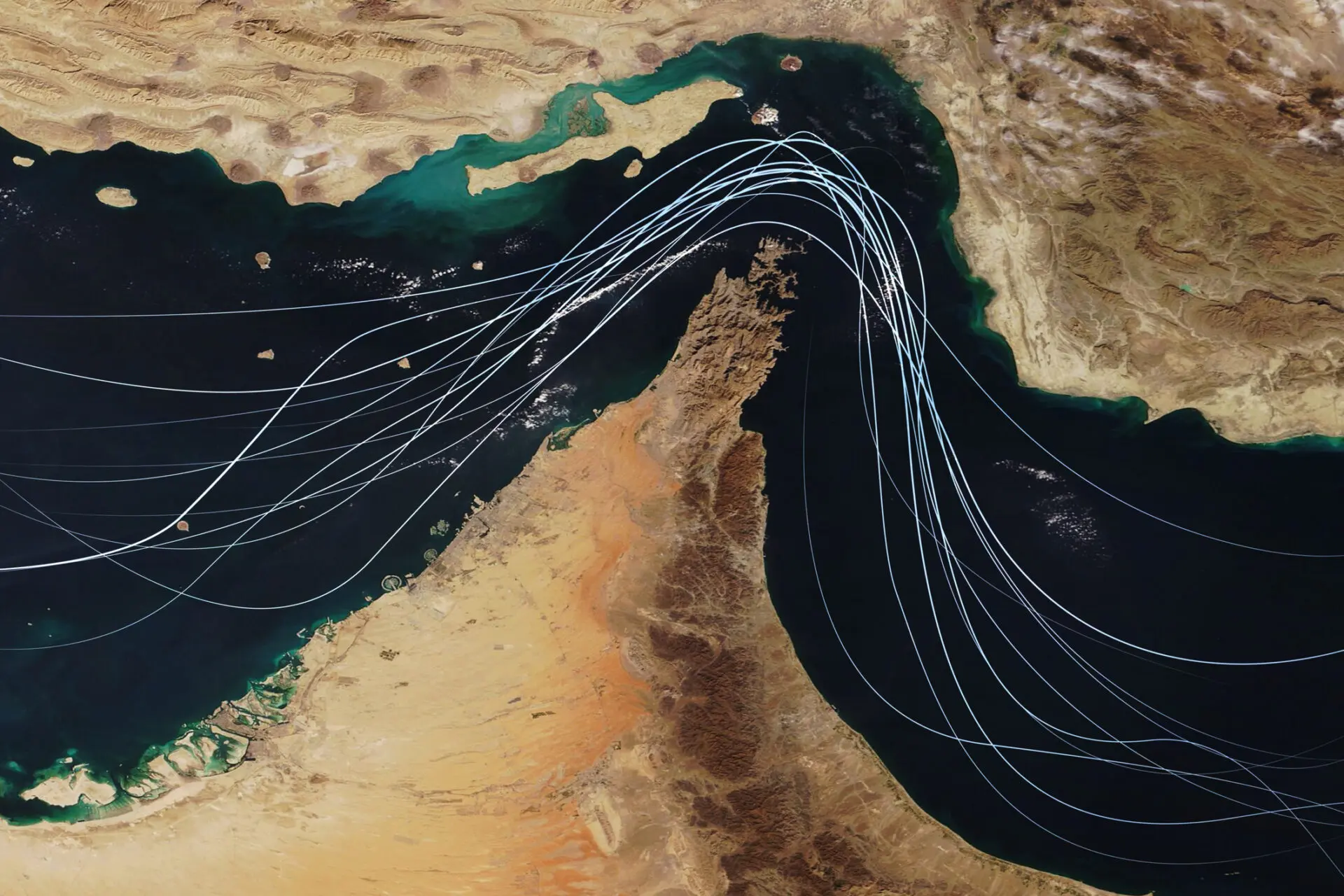
According to the World Food Programme, conflict is a major factor causing hunger and food insecurity in the world today. While most conflicts are local in scale and scope, the conflict that erupted between the U.S., Israel, and Iran on February 28th, 2026, is having sweeping impacts on global food, fuel, and fertilizer prices, which is worsening hunger and food insecurity across the world. This is because the conflict led to the closure of the Strait of Hormuz, a narrow waterway between Iran and Oman that is a critical corridor in the global supply of oil, natural gas, and fertilizers needed for growing food around the world. In addition to oil and gas, the Gulf nations are also important suppliers of basic fertilizers. The key ingredients in nitrogen-based fertilizers are urea and ammonia, which are all now limited due to the conflict.
The International Monetary Fund (IMF) stated that the conflict has disrupted the flow of roughly one-quarter of the global oil supply, one-fifth of the liquefied natural gas (LNG) supply, and one-third of global fertilizer supplies that are needed to support food production. Global price increases for energy and fertilizer are altering how farmers allocate resources for fertilizer use, with many farmers reducing or eliminating their use. This is projected to have significant impacts on global food production, food insecurity, and hunger.
The Effects of the Closure of the Strait of Hormuz on Global Food Security and Agricultural Production
Research from the World Food Programme (WFP) demonstrates that prior to the war starting, global food insecurity was already reaching a critical point, with an estimated 318 million people projected to experience acute food insecurity in 2026. However, in March 2026, one month after the start of the war and ongoing conflict, WFP projected that the number of people facing acute hunger could increase by 45 million – up to 363 million people globally in 2026. This is largely due to projected disruptions in food production and unsustainable fuel input costs. For example, in Somalia, where hunger and malnutrition have claimed tens of thousands of lives, WFP expects conditions to worsen due to the closure of the Strait of Hormuz.
The disruptions are already impacting agricultural production in the U.S. and around the world. Nearly 45 percent of global nitrogen-based fertilizers are used for growing staple grains and cereal crops like wheat, rice, and maize, which are a major source of calories around the world. U.S. farmers have begun to ration their fertilizer inputs and have expressed concern to Congress and the U.S. Department of Agriculture (USDA) about these pain points. A recent survey from the American Farm Bureau Federation found that about 70 percent of farmers nationwide who responded reported they are unable to afford all the fertilizer they need.
Changes to Energy and Fertilizer Costs Mean Changes to Food Prices and Hardship
The International Food Policy Research Institute (IFPRI) notes that energy and fertilizer prices are climbing faster than food prices. This reduces profits and potentially crop yields for farmers and producers, and those increased costs are often passed on to the consumer. Foreign workers in the Middle East who labor in this industry are also affected by job loss and the inability to send remittances home, which are often used to cover food and basic needs. The simultaneous disruptions to the global supplies of oil, gas, and fertilizers have created a perfect storm for undermining global food production and food security efforts.
Data from the Center for Strategic and International Studies (CSIS) shows that some farmers are already switching from planting fertilizer-dependent corn to soybeans, which can increase future soy prices. Higher oil prices increase production costs for all crops and livestock, as well as the costs associated with processing, transporting, and refrigerating goods. Globally, this means higher food prices and worsening food security for tens of millions of people. “This will affect planting…there will be a lower supply of commodities in the world – of staple cereals, of feed, and therefore of dairy and meat,” explained Maximo Torero, chief economist with the Food and Agriculture Organization (FAO).
Looking Ahead
While, at the time of publication, the U.S. has announced that it is lifting the blockade of the Strait of Hormuz to let ships pass through, food, energy, and fertilizer costs will not fall overnight. It will take many months or longer to rebuild the production capacity of these essential goods once the conflict has ended. Unfortunately, the unresolved nature of this military conflict suggests the crisis in global food insecurity will continue to worsen in scale and scope throughout the world in 2026. Some solutions to provide relief to U.S. farmers are being discussed in Washington, but ultimately stabilizing food prices – in the U.S. and globally – will be a significant challenge as long as the conflict continues.
Rick Rowden is the Senior International Policy Advisor at Bread for the World’s Policy and Research Institute (PRI).
Deepen your understanding of hunger’s causes and solutions – join our Institute Insights community and receive free, research-based articles like this one straight to your inbox.
Join Our Community
Related Resources

The Case for Restoring Household Food Security Data
Every September, the U.S. Department of Agriculture (USDA) released its annual Household Food Security in the U.S. Report,...

Food Security in Puerto Rico: The Case for Transitioning NAP to...
Puerto Rico is a U.S. territory home to 3.2 million American citizens. This is a higher population than...