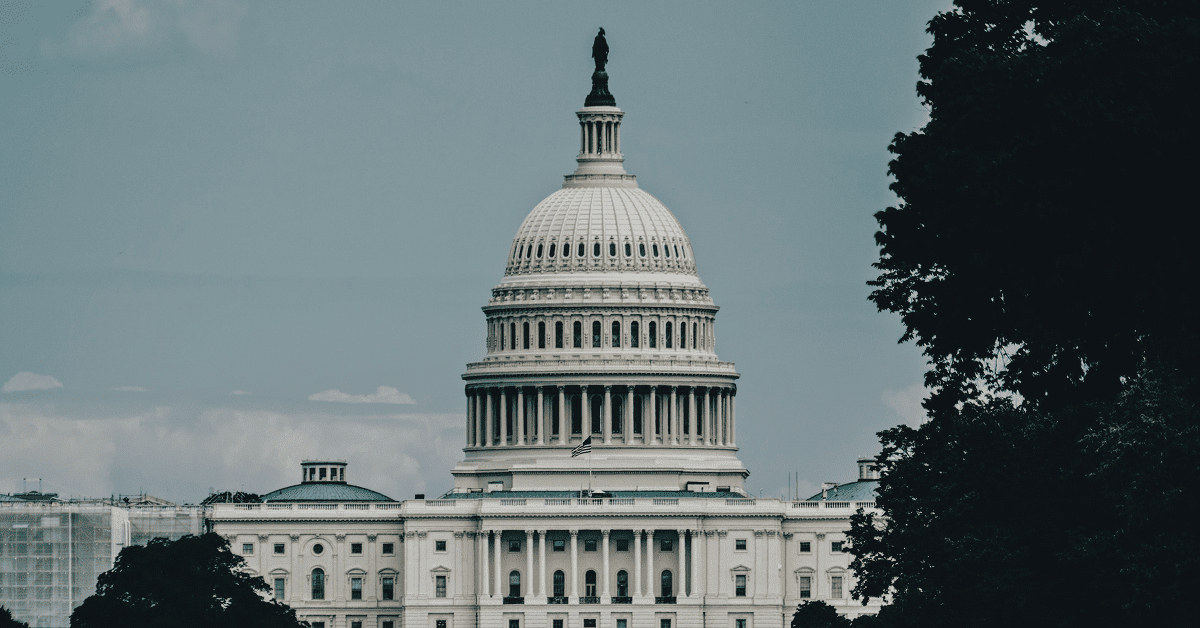
In November 2025, the 30th annual U.N. Climate Change Conference, better known as COP30, took place in Belem, Brazil. Each year, delegates representing more than 190 nations gather to evaluate the status of COP’s shared goals: responding to damaging climate impacts and preventing climate change from further disrupting people’s livelihoods and security, as well as the health of the planet.
At Bread for the World, we understand that climate change worsens hunger as agriculture sectors, supply chains, critical infrastructure, and livelihoods are negatively impacted by drought, disasters, and other related events. Bread analyzes and engages in this work through three climate-related pillars: climate finance, mobility, and effective food systems. Climate adaptation finance and resilient food systems solutions can help alleviate situations of displacement due to climate change, where food insecurity can acutely develop.
Beyond the negotiation rooms at the COP30, it’s important to recognize why coordinated global responses to climate shocks are needed to prevent hunger and displacement. By 2023, the Horn of Africa suffered through five consecutive failed rainy seasons that devastated crop yields and caused acute malnutrition to spike across Ethiopia, Kenya, and Somalia. Irregular weather patterns, including successive failed rainy seasons, are indicators of broader climate change.
Failed rainy seasons have caused severe food insecurity and, in turn, large-scale displacement as families try to cope with the scarcity of food and water. Consequently, entire communities may be forced to flee to seek food elsewhere. Often, this means being displaced in large camps and other concentrated locations, where health and sanitary conditions can deteriorate, and hunger and malnutrition increase.
Diyaro Baluga’s story is emblematic of this hardship. Originally from Somalia, Diyaro sought asylum in Kenya for herself and her eight children after a drought ruined her ability to continue livestock farming. Losing 66 of 70 cows due to drought forced her family to sell the remaining livestock and seek support elsewhere. Like other livestock farmers in the Horn of Africa, the losses and damages of prolonged drought cost her family their way of life and their home.
Diyaro and her family ultimately reached a camp where food was available, which prevented life-threatening malnutrition for her young children. Beyond the initial losses caused by climate change, families like Diyaro’s still face additional risks the longer they are away from home and their usual lives. Neglected land may further deteriorate, and people may lose some of their farming knowledge and land-tending skills.
The United Nations High Commissioner for Refugees advocates cash assistance for climate-displaced families like Diyaro’s. This allows them to make their own decisions about which foods to purchase in their specific situations. People displaced by drought also need programs that provide emergency food aid, guidance and coordination with safe planned relocation, and help with restoring their livelihoods and dignity.
When countries in the Horn of Africa are responsible for only 1.4 percent of global greenhouse gas emissions, it’s clear they alone should not bear the brunt of hunger and economic loss caused by climate change. At COP30, international stakeholders came together to try and solve this challenge together.
At gatherings like COP30, country negotiators and decision-makers often balance political interests, civil society demands, and the latest findings of climate science. That is why stories like Diyaro’s and many others matter and must reach decisionmakers at the COP and year-round in other policy forums. Policymakers and country negotiators must remember that without reliable weather patterns or healthy soil and water, food cannot be produced for anyone, in any country. This is why Bread engaged at COP30, hosting educational events, consultations with grassroots leaders on their key climate priorities, and monitoring negotiation outcomes.
With COP30 complete, and stories of impact front and center, there is still much to do to mitigate the harmful impacts of climate change on vulnerable populations. The road ahead will be challenging, especially with the United States reducing its global leadership in this space. On January 20, 2025, President Trump signed an Executive Order withdrawing the United States from the Paris Agreement for a second time, effective January 2026. The decision to withdraw from the Paris Climate Agreement reduces global allies’ trust in U.S. leadership that we will meaningfully contribute to solving climate change—and the hunger, displacement, and hardship it causes. The United States is major contributor of greenhouse gas emissions, and we also have a role play to reducing this.
In the U.S., our leaders should recall the importance of the cross-sector and cross-border collaboration needed to solve challenges that come with climate change and help lead the way. This is why Bread for the World continues to advocate for U.S. policies that can address these challenges through programs that prevent further global warming, protect communities from climate extremes, provide emergency food aid, and enable people to build resilience to future climate shocks.
Isabel Vander Molen is a Climate-Hunger Policy Advisor at Bread for the World’s Policy and Research Institute.
Deepen your understanding of hunger’s causes and solutions – join our Institute Insights community and receive free, research-based articles like this one straight to your inbox.
Join Our Community
Related Resources
WORKING TOGETHER TO END HUNGER: 2025 Legislative and Policy Achievements
A series of administrative and congressional actions this year dealt devastating blows to the United States’ international assistance...

Legislative Moments that Shaped Agriculture, Climate, and Food Security in 2025
Food Loss and Waste:This year, two measures to reduce food loss and waste were reintroduced in both chambers...