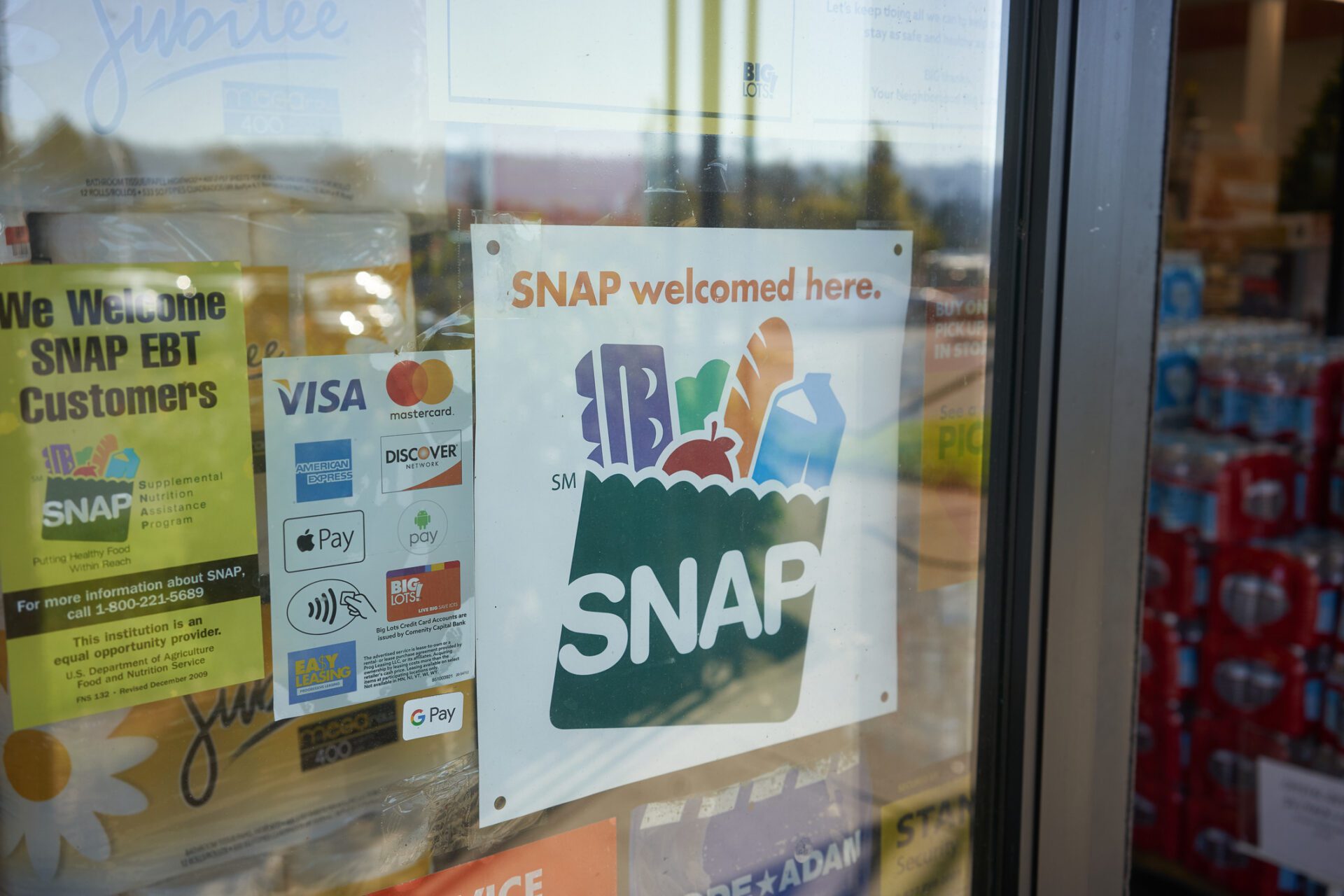
The U.S. Department of Agriculture’s (USDA) recent solicitation and approval of the SNAP Food Restriction Waivers will limit how authorized retailers sell certain foods and beverages to SNAP participants. Approved states can restrict the sale of candy, soda, desserts, energy drinks, and/or other food and drink items to SNAP participants, based on these items being deemed “unhealthy.” Importantly, the decision to approve these SNAP food restriction waivers was made amidst historic changes to SNAP.
These waivers prohibit certain items from being purchased with an EBT card. EBT cards are used at a retailers’ Point-of-Sale (POS) system, similar to a debit or credit card. As of May 2026, 22 states were approved to implement these waivers over a two-year period, with many starting January 1, 2026. During this period, SNAP State Agencies must evaluate the impact and effectiveness of the pilot and report findings back to USDA.
USDA Secretary Brooke Rollins is using her authority pilot these waivers, per the Food and Nutrition Act of 2008. The legislation included language that allows the Secretary to pilot certain waivers designed to “increase the efficiency of SNAP, and to improve delivery of SNAP benefits to eligible households.”
Implications of the Waivers on SNAP Recipients
So far, these waivers have created confusion for some SNAP participants on what purchases are allowed. Many states don’t share the same definition of “unhealthy,” or what even constitutes a sugar-sweetened beverage. In Iowa, for example, any sweetened beverage with less than 50 percent juice from a fruit or vegetable is defined as unhealthy and banned. Consequently, a beverage like Pedialyte, which is most often used to treat dehydration in children, would be banned from SNAP because it doesn’t meet these criteria. However, if a SNAP participant in Iowa drove across state lines to Nebraska, which also has a waiver, beverages intended to increase hydration or are “medically necessary” – like Pedialyte – would be allowed.
In Idaho, the state legislature banned candy from SNAP purchases but stipulated that goods containing flour are allowable. As such, you can still buy certain candy, like KitKat Bars and Twix, because they contain flour. SNAP participants can’t buy a hot cup of coffee with their benefits, per USDA guidelines, but they can buy an energy drink – although several states have restricted or intend to restrict energy drinks from SNAP purchases. These examples are not intended to evaluate these foods and beverages as good or bad, but rather to illustrate how arbitrary rules and definitions are being applied across states.
Implications of the Waivers on SNAP Retailers
USDA guidance dictates that authorized SNAP retailers must comply with the waivers in their states, or they will be involuntarily removed as an authorized vendor after two warnings. This also applies to retailers that accept SNAP for online purchases. In a letter to Congress, trade groups representing these stores expressed that this change will be expensive to retailers, reflecting $1.6 billion in costs to ensure compliance with USDA’s new mandate. Equally concerning is the responsibility put on retailers to properly code newly restricted food items in their updated POS systems. Terms like “soft drinks” and “candy” do not have a fixed definition, nor does “unhealthy.” This could jeopardize grocery access not just for SNAP participants, but all shoppers. Some grocery stores cannot afford to operate without accepting SNAP benefits. One grocer in South Dakota, R.F. Buche, who serves Tribal communities in the state, shared on a webinar that in some of his stores, up to 60 percent of sales come from SNAP and that a reduction in benefits would mean higher prices for all shoppers.
The Relationship Between SNAP Food Restrictions and Healthier Eating
At present, not much is known about the impacts of food restrictions on SNAP recipients. Studies that examine efforts to restrict and incentivize healthy eating, especially fruits and vegetables, have yielded mixed results. That is why every state that applied for and received a waiver must also submit an evaluation plan to assess the impact of their pilot.
But it is widely understood and accepted that a diet filled with fruits and vegetables, whole grains, low sugar, low fat, lean protein, high fiber, and dairy (for many) is nutritious and healthy. For adults, healthy eating is associated with a longer lifespan, healthy bones and muscles, lowered risk of type 2 diabetes and heart disease, and more. For children and adolescents, healthy eating is associated with fewer dental cavities, brain development, emotional regulation, and more. For both children and adults, healthy eating is crucial to the treatment and prevention of obesity.
What’s ahead for SNAP Food Restriction Waivers
More states may also apply to implement restriction waivers while the window of opportunity exists. Importantly, advocates have also cautioned that eliminating SNAP choice through waivers is likely to contribute to shame, more confusion, and a loss of dignity for people already struggling to put food on the table. A lawsuit, filed with the U.S. District Court for the District of Columbia on March 11th, 2026 and ordered on June 22, 2026 (Aragon v. Rollins) –reflecting plaintiffs from Iowa, Nebraska, Colorado, West Virginia, and Tennessee – presents the most recent challenge to these waivers. The judge ruled that USDA Secretary Brooke Rollins failed to appropriately notify the public of the pilot waivers and did not appropriately interpret the intent outlined in the Food and Nutrition Act of 2008. Going forward, Congress, retailers, SNAP participants, and the public should monitor developments – legal, congressional, and state and local – as they emerge.
Sakeenah Shabazz is Deputy Director of Bread for the World’s Policy and Research Institute (PRI).
Deepen your understanding of hunger’s causes and solutions – join our Institute Insights community and receive free, research-based articles like this one straight to your inbox.
Join Our Community
Related Resources
SNAP and WIC: Two Vital U.S. Nutrition Programs
The Supplemental Nutrition Assistance Program (SNAP) is the cornerstone of federal food assistance, reaching more than 41 million...
Legislative Moments and Executive Decisions that Shaped U.S. Nutrition Policy in...
This year, Congress and the Trump administration enacted sweeping changes to federal nutrition programs that support families experiencing...