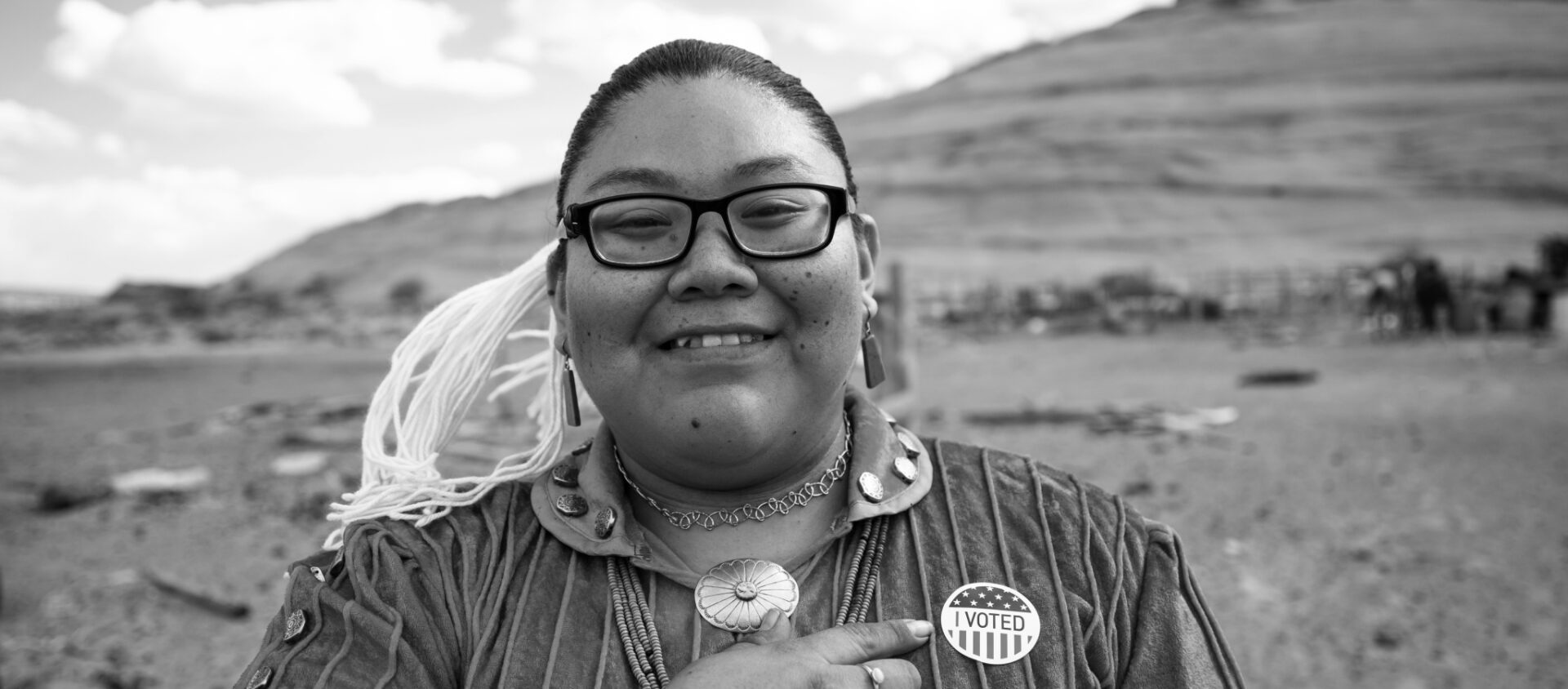
Hunger often seems like too daunting a problem to solve, with nearly one in 11 people around the world going to bed hungry at night. But consider this: It is estimated that enough food is produced globally every year to feed everyone in the world. Solving hunger is not just about getting this food to the people who need it most. It’s also about addressing the root causes – the systems, environmental factors, and social factors – that allow hunger to persist.
Because of its economic and political power, the United States has had the responsibility and honor of leading the world in ending hunger. Churches and food banks are invaluable in providing food for our hungry neighbors here at home, but charity and philanthropy alone cannot fully address hunger. It is estimated that the Supplemental Nutrition Assistance Program (SNAP), the largest federal nutrition program, provides roughly nine times as many meals as Feeding America food pantries do. Feeding our neighbors in the long-term, both in the U.S. and around the world, requires faith-driven advocacy.
It is easy to understand how we can support those who are vulnerable and marginalized through our congregations, on social media, and by using our resources. But there’s another way to impact hunger that’s often overlooked: how you vote.
While nearly everyone agrees that hunger is a problem, not all politicians see it as a priority. In November, Americans will vote for 35 Senate seats and all 435 House seats. Your vote will decide whether or not the world moves closer to the end of hunger. Every person who votes plays a part in this future.
The problem of hunger.
Approximately 645 million people around the world suffer from chronic hunger. In the United States, more than one in eight households struggles to put food on the table.
Hunger doesn’t always look the same. Some people are hungry because food is in short supply in their area, often due to weather events, conflict, or economic factors. Others can’t afford to buy enough food. Some have a “hunger season” every year, when the previous harvest is gone and the next harvest is not yet ready.
In the United States, people who may look healthy may still be hungry because they do not get enough nutrients. This is called hidden hunger. People who suffer from “hidden hunger” often have access to enough calories, but they chronically struggle to access food with sufficient vitamins and minerals. This prevents them from living a healthy, active life. Children who suffer from hunger, hidden or not, struggle to learn and focus in school, and adults who suffer from hunger can face barriers in leading productive lives.
The government plays a significant role in the protection and development of people.
Romans 13 emphasizes the role and responsibility of leaders, noting that “governing agencies” are “God’s agent for your good” and “For the one in authority is God’s servant for your good” (NRSV). Voting has biblical precedence as well; Acts 14:23 describes that the early Christians elected elders by voting.
God tasks leaders with serving and protecting their people, whether or not they acknowledge that their authority comes from God. And Jesus warns that people will be held accountable and judged for the ways they have treated the least among them (Matthew 25:31-46).
We love God by loving our neighbors. The Scriptures speak to the role and responsibility of leaders in caring for the poor. Proverbs 31:8-9 says, “Speak out for those who cannot speak, for the rights of all the destitute” (NRSV). In the Gospels, Jesus displays a particular heart for those who experience poverty, hunger, and vulnerability.
There are some issues that should not be “right and left” issues – they are right and wrong issues. Hunger is one of them. Hunger is an issue that is important to God, and therefore, it should be important to us and to our leaders.
How can the U.S. government address hunger?
According to the United Nations, the world produces enough food to sustain a growing population. The problem is that globally there is a major crisis with high levels of food waste and loss in our food systems. The latest State of Food Security and Nutrition in the World 2026 report estimated 14 percent of food produced is lost between harvest and retail, and an additional 19 percent is wasted at the retail and consumer levels, with roughly 40 to 50 percent of fruits and vegetables never being consumed.
What’s needed is the collective will and action to get the right food to those who need it and address the factors that cause hunger to exist in the first place. This means enacting policies and programs that create jobs, strengthen safety nets, invest in human capital development, support community-initiated public-private partnerships, and support international efforts to end hunger and poverty.
Here are some ways the U.S. government prevents and addresses hunger in the U.S. and abroad:
- International Aid and Humanitarian Assistance:
There are several types of international aid: When a crisis or disaster strikes, people overseas receive emergency humanitarian assistance from the United States. Our federal government also provides ongoing food aid to address the “silent disaster” of hunger and malnutrition around the world. In addition, the United States provides development assistance to help countries become self-sufficient in food production and more resilient to shocks as a way of preventing future humanitarian food crises. - Domestic nutrition assistance:
The U.S. invests in programs such as the Supplemental Nutrition Assistance Program (SNAP), which helps struggling families put food on the table. Today, about 37 million Americans per month are directly impacted by the benefits that SNAP provides. - Creation Stewardship:
Climate shocks are the primary driver of hunger for 87.5 million people across 16 countries. Climate change brings shifting weather patterns that damage crops, livestock, and homes – making it harder to get nutritious food to everyone. The U.S. can steward all of creation by reducing emissions, including by cutting down on food waste, and supporting smallholder farmers and vulnerable communities abroad as they adapt to a changing world. - Conflict:
About 70 percent of people experiencing hunger around the world live in countries affected by conflict. It’s a vicious cycle: conflict fuels hunger, and hunger and food insecurity trigger violence. The U.S. has the power to respond to conflict through economic pressure and advance stability in areas vulnerable to conflict. - Low-wage incomes and unemployment:
The people who make the least must spend most of their income on food in order to survive. U.S. economic policies can address inflation, create good-paying jobs, and reduce unemployment here at home. Policies that reduce economic inequality are vital to ending hunger in the U.S. - Inequality:
Around the world, women are more likely to experience hunger than men and earn less than men for doing the same job. This is also true of people within a community who are marginalized because of their race or ethnicity. The U.S. can combat inequality through education, assistance for gender programs, addressing sexual violence and hate crimes, and more.
Elected officials have made a historic impact on hunger.
The United States has long been a leader in addressing hunger. In just two generations, we’ve seen the world make amazing progress against hunger. In 1960, one in three people was hungry. Today, chronic hunger affects one in every 13 people. Much of this progress is due to the passion and commitment of advocates who gave their voices, and U.S. leaders who used their platforms and their votes to advance key policies.
Many notable political leaders have tirelessly pushed for programs and policies to reduce hunger. For example:
- In the first-ever televised presidential address, President Truman talked about fighting hunger in countries still recovering from World War II.
- In the 1950s, Congresswoman Leonor K. Sullivan pushed Congress to pass food stamp legislation – which eventually became SNAP.
- In 1960, President Eisenhower implored the United Nations to create a program that would provide food assistance to countries in need. South Dakota Senator George McGovern played an instrumental role in the establishment of the United Nations World Food Programme (WFP).
- In 2002, former Kansas Senator, Senate Majority Leader, and long-time member of Bread’s board of directors Bob Dole joined Senator McGovern to launch America’s first global initiative to feed school-aged children: the McGovern-Dole International Food for Education and Child Nutrition Program. The McGovern-Dole program has provided meals to more than 40 million children in over three dozen countries.
- In 2016, the bipartisan Global Food Security Act (GFSA), was signed into law. The GFSA, introduced by Representatives Chris Smith and Betty McCollum and Senators Jim Risch and Bob Casey, focuses on the nutrition of women and children and expanded farmers’ access to local and international markets. The GFSA was reauthorized in 2022.
- In 2018, Congress passed the Agriculture Improvement Act of 2018 (the Farm Bill), addressing a broad range of agricultural and food policy issues. Led by Representative Michael Conaway (R-TX), the bill authorized SNAP through FY23 and provided expanded funding for The Emergency Food Assistance Program (TEFAP).
- In 2022, the bipartisan Global Malnutrition Prevention and Treatment Act was signed into law. The GMPT Act strengthened U.S. efforts to prevent and treat global malnutrition, with a focus on reaching vulnerable populations, including mothers and young children.
- In 2022, through the Consolidated Appropriations Act of 2023, Congress transitioned the Summer EBT pilot into a permanent program available to children and families around the country. This bill passed with nearly unanimous Democratic support, as well as votes from several Republican House members, including Liz Cheney (R-WY), Adam Kinzinger (R-IL), and Brian Fitzpatrick (R-PA).
- The policies and programs Bread advocates for – and the many political leaders who have prioritized these policies – have impacted 342 million Americans and more than eight billion people around the world.

How do you know which candidates support policies that will end hunger?
It’s important to elect leaders who are committed to ending hunger. This doesn’t necessarily mean determining a candidate’s position on ending hunger – no candidate is going to be openly “against” ending hunger. It means identifying the candidates who prioritize hunger in their platform and in their actions.
Here are some steps you can take:
*Note: The content in any external resources and websites may not reflect the views or public policies endorsed by Bread for the World.
- Use Vote.gov to register to vote. You can also visit USA.gov to find your polling place.
- See who is on your ballot. You can use resources like Vote.org to see which candidates will be on your ballot.
- Review the candidates’ websites or follow their social media accounts to see if they have a position on ending hunger. If they don’t, write to them and ask. If they are sitting members of Congress, check how they voted in the past on bills and issues related to hunger. In this election, this might include the Farm Bill, SNAP cuts in H.R. 1, and the Child Tax Credit.
- Attend local town hall meetings to talk to congressional candidates in person. Consider asking them:
- “If elected, what will you do to end hunger, alleviate poverty, and create opportunity in the United States and worldwide?”
- “Will you publicize your position on hunger, poverty, and opportunity on your website and on social media?”
- Pledge to vote for candidates who will make ending hunger a priority and encourage others to do the same. Bread for the World has a team of organizers ready to help you vote your values. Click here to reach out to the organizer assigned to your state.
- Visit bread.org/vote for more ideas and resources you can use to engage in the 2026 midterm election.
Pray for our leaders – present and future.
God listens to our prayers, and our prayers have the power to fuel the mission to end hunger. 1 Timothy 2 tells us to pray for “all who are in high positions, so that we may lead a quiet and peaceable life” (NRSV).
Ask God to grant our leaders the integrity and wisdom to focus on matters that protect the most vulnerable among us. Prayer empowers us to support those in authority with a spirit of love and advocacy.
Pray for God to guide you in your decisions this election and pray for our future leaders – whatever the outcome of the election – to be inspired to prioritize the issue of hunger during their time of service.
When you talk about politics, talk about hunger.
Do not be discouraged by political dissension or media coverage. Your vote matters. Victory for candidates who prioritize ending hunger is decided by those who show up and vote. Not voting is just as much a form of voting, because it can have an impact on the outcome.
Congress will make decisions that will determine whether hunger will continue to exist. We can’t end hunger in the United States or globally unless and until we elect leaders – including the president, Congress, and state and local lawmakers – who will make it a priority.
As we approach the upcoming election, politics will increasingly be the topic of dinner discussions, social media posts, and events. Don’t stay silent; share any information you learn about wise and just candidates with your friends, neighbors, or online. Write op-eds or letters to the editor for your local newspapers. Volunteer for candidates who have a position you support. Go to bread.org/vote for more ways to engage with candidates and share information you learn with others.
Pledge to Vote to End Hunger
In the United States, our elections can have a profound impact on hunger – both at home and around the world. We can work to elect and hold accountable leaders, regardless of political party, who are committed to ending hunger.
Pledge today to vote for candidates who will make ending hunger a priority.
Related Resources
Bread for the World Statement on Preservation of Critical Foreign Assistance...
Washington, D.C., October 2, 2026 – Bread for the World issued the following statement regarding the obligation of...

Here We Go Again!
By Angelique Walker-Smith“Here you come again… Just leave it up to you and in a little while,You’re messin’...