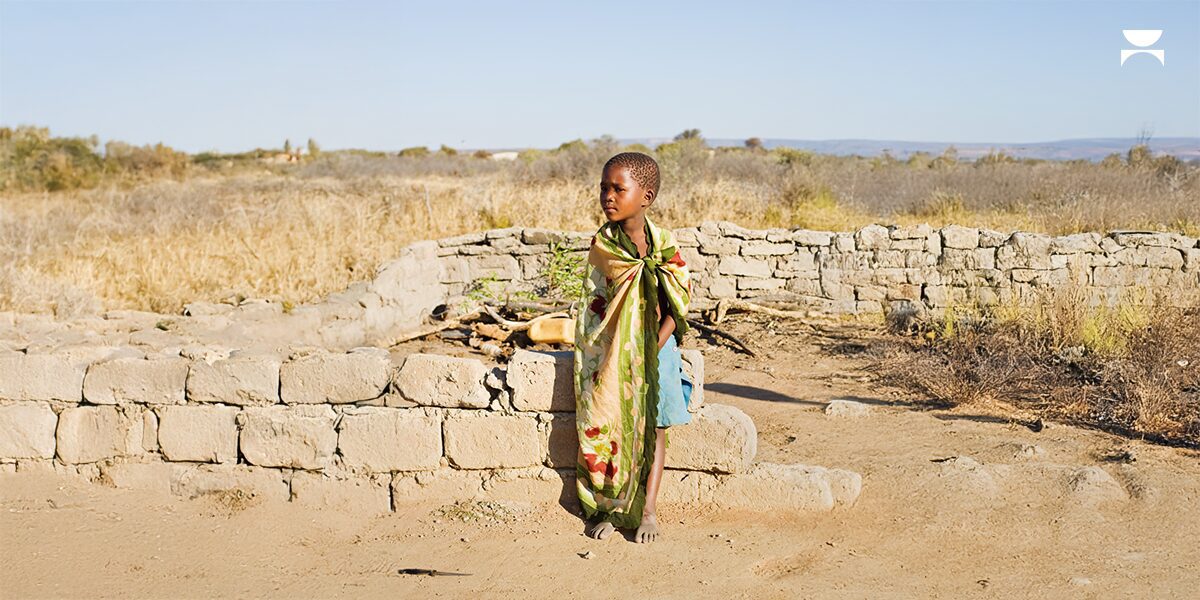
Malnutrition is a quiet killer. Its impact can be devastating, especially for children. It stunts growth, weakens immune systems, impairs cognitive development, and can lead to death.
Yet, for all its devastation, malnutrition is often reversible if help arrives in time.
But in many parts of the world today, enough help is not arriving. It is not because the world lacks the food or medicine. It’s because we are failing to get it to them.
Famine and Inhumanity in Gaza
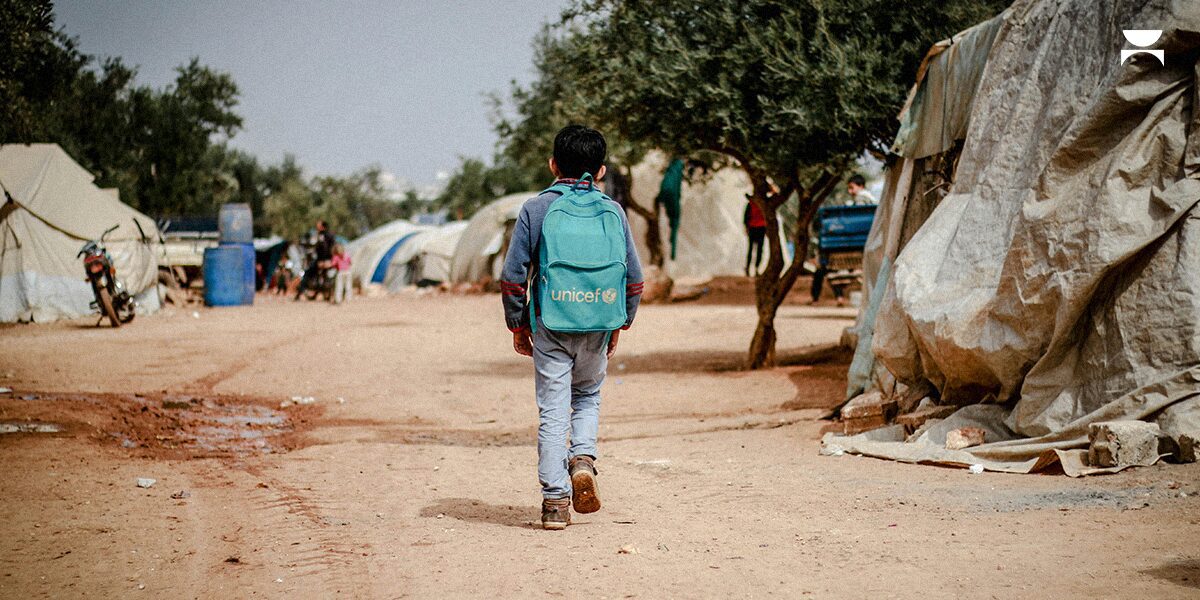
In Gaza, hunger is not just a consequence of war; it is being used as a weapon of war. Beyond the bombs, malnutrition and starvation are emerging as a slow and painful second wave of destruction.
All children of Gaza under the age of five are at risk of life-threatening malnourishment. Hospitals have treated more than 20,000 children for acute malnutrition since April¹. More than 40 percent of pregnant and breastfeeding women seeking treatment at Save the Children clinics in Gaza in July were malnourished, and the rate was almost three times higher than in March, when Israel reimposed a total siege on Gaza. Infant formula, needed especially when malnourished mothers cannot breastfeed, has been restricted from entering the Gaza Strip².
Dr. Mike Ryan, Executive Director of WHO’s Health Emergencies Programme, says “Hungry, weakened, and deeply traumatized children are more likely to get sick, and children who are sick, especially with diarrhea, cannot absorb nutrients well. It’s dangerous, and tragic, and happening before our eyes.”³
More than one in three people in Gaza are now going days at a time without eating. Nearly one-fourth of Gaza’s population (500,000 people) are enduring famine-like conditions, while the remaining population is facing emergency levels of hunger.⁴
The total number of people who died from hunger-related causes since the start of the war now stands at 181, including 94 children.⁵
Even one is one too many.
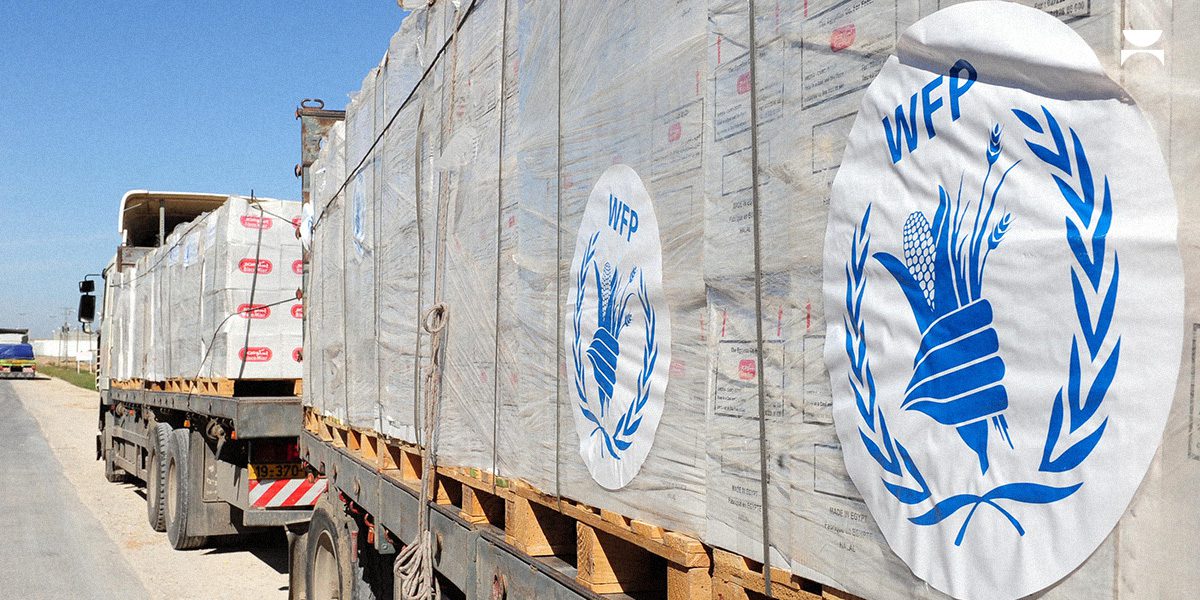
Despite some temporary ceasefires and limited humanitarian pauses, the delivery of aid remains inadequate and dangerously delayed. During a recent conversation with CEOs of implementing INGOs, I heard a consistent message: “We are ready. We have trucks and shipments of food – but don’t have access to deliver aid. This is unacceptable.” At border crossings, trucks filled with food and medical supplies have been left to rot in the sun. Aid workers continue to risk and lose their lives trying to reach desperate families.
The world must not only witness this crisis; we must respond.
When Politics Eclipse Aid
Gaza is just one front in the broader global hunger crisis – a crisis now intensified by political acrimony in the United States. For decades, the U.S. has led the world in humanitarian food assistance. But that leadership has faltered.
The U.S. Agency for International Development has been shuttered. Remaining international aid programs were moved to the State Department and reduced, then the State Department laid off many staff. Funding for international assistance that had been previously appropriated was targeted for rescission (taking back international assistance funding Congress had already approved), and the White House is recommending additional rescissions.
I’m not here to argue that U.S. international assistance has been perfect. In fact, the administration’s announcement of a review of aid programs earlier this year was met with support. It’s always smart to ensure that the programs that U.S. taxpayers fund are efficient and effective. Conversations were being had about how international assistance infrastructure was impacting country leadership and dependence. In Bread for the World’s decades of support for international assistance, we have frequently sought – and achieved – reform of food aid when reform was needed. We have also been a persistent voice for improvements, particularly, in the last decade, advocating for better nutrition standards.
But you can’t reform or improve what no longer exists.
And you cannot sweep under the rug the reality that USAID programs, as imperfect as they might have been, were still effective – they prevented 91 million deaths since 2001.⁶
The United States, once a beacon of compassionate leadership, is turning its back on the world’s most vulnerable people.
Global Hunger Hotspots
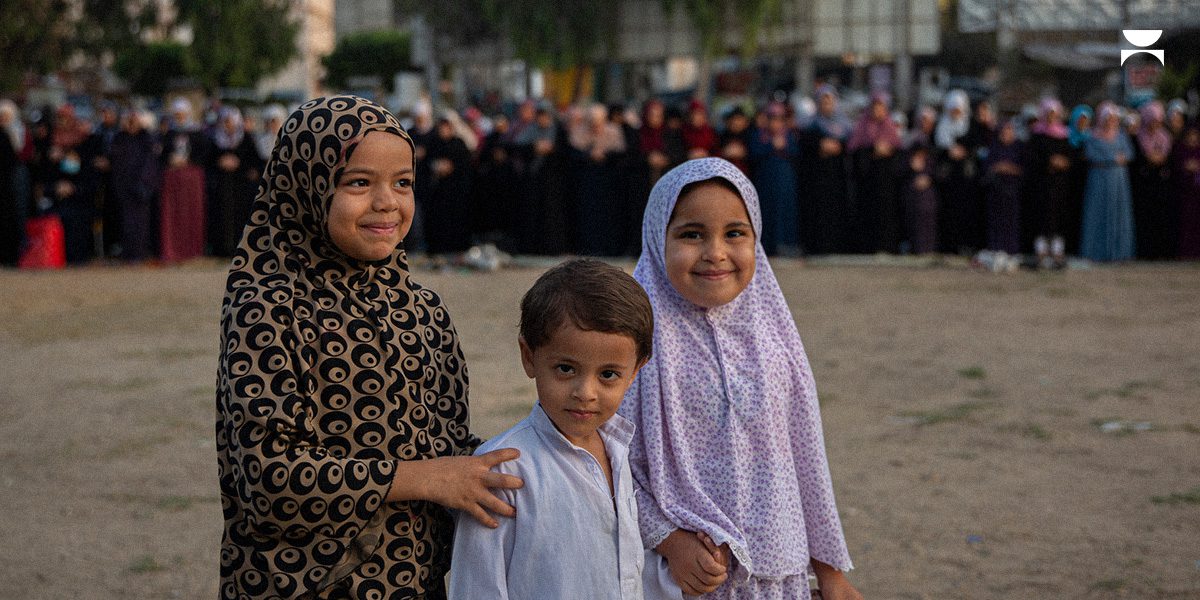
Gaza is not alone. The world is in the grip of the gravest hunger emergency of our generation. Conflict, climate extremes, and economic shocks continue to drive vulnerable households into food emergencies.
In Sudan, 24.6 million people are acutely food insecure. 637,000 (the highest anywhere in the world) face catastrophic levels of hunger. The World Food Programme says that in Sudan, “a protracted famine is taking hold – the only place in the world at this level of hunger – and without humanitarian assistance, hundreds of thousands could die.”⁷
In Afghanistan, 4.6 million mothers and children are malnourished.⁸ In Somalia, 1.8 million children under 5 are suffering from acute malnutrition.⁹ In the Democratic Republic of the Congo, that number is 4.75 million.¹⁰ According to the latest WFP Hunger Hotspots report, acute food insecurity is set to increase in magnitude and severity in 18 places in 2025.¹¹

It can be easy to see these big numbers about foreign countries on huge continents oceans away and not see the people behind them. We have to humanize our thinking. Whenever I am in danger of getting lost in the numbers, I remember individual people. I remember children I have met in refugee camps in Iraq and Lebanon. I call up their names and put their faces in my mind.
Behind every statistic, every policy, are real people. Every statistic, every policy, has a human impact.
And it’s clear that every hunger crisis disproportionately harms children. Dr. Ahmed Al-Farrah, head of pediatrics at Nasser Hospital in southern Gaza, describes the human impact like this: “This war is targeting a generation of children who are below three years, because the central nervous system is nearly composed in [these] two, three years.” If these children survive, they could suffer from neurological impairments brought on by starvation, such as ADHD, “difficulty in school, difficulty in comprehension, difficulty in speaking.”¹² These are the long-term consequences of malnutrition — and they are being etched into the futures of millions of children right now.
There Is Something We Can Do.
The hunger and malnutrition crisis may feel overwhelming. It is complex, heartbreaking, and political. But we are not helpless.

As people of conscience, as people of faith, and as global citizens, we can act. Advocacy works and it is needed now more than ever.
- We can contact our members of Congress and urge them to support emergency humanitarian aid.
- We can support organizations, like Bread, that are fighting hunger.
- We can pray.
- We can educate others.
- We can raise our voices.
If you’re not already, I encourage you to become a member today. If you are already a member, reach out to your organizer about what’s needed now in your district.
The journey ahead will be long. But we are not alone — and we are being heard. Members of Congress listen to their constituents and make decisions when they hear them well. The congressperson representing Illinois Bread member, Mike Huck, told a lobbyist that “she had to vote with Mike” and pointed to the stack of letters on her desk. The then-chair of the Senate Foreign Relations Committee mentioned letters from his constituent, Bread member Connie Wick, in conversation with Bread and the president of the United States.
This is not just about food. It’s about dignity. It is about human flourishing. About ensuring that no child, anywhere, dies simply because the world chose not to care.
Let us remember the words of Jesus: “Whenever you did one of these things to someone overlooked or ignored, that was me — you did it to me.” (Matthew 25:40)
Let us not overlook them now.
¹ https://news.un.org/en/story/2025/07/1165517
³ https://www.unicefusa.org/stories/rising-malnutrition-puts-childrens-lives-grave-risk-gaza
⁶ https://www.thelancet.com/journals/lancet/article/PIIS0140-6736(25)01186-9/fulltext
⁷ https://www.wfp.org/emergencies/sudan
⁸ https://www.wfp.org/emergencies/afghanistan
⁹ https://www.wfp.org/emergencies/somalia-emergency
¹⁰ https://www.wfp.org/emergencies/drc-emergency
¹¹ https://www.wfp.org/publications/hunger-hotspots-fao-wfp-early-warnings-acute-food-insecurity
¹² https://www.npr.org/2025/07/27/g-s1-79468/gaza-babies-children-starvation-malnutrition-aid
Related Resources
Food for Peace Remains Critical to Ending Global Hunger
Since 1954, Food for Peace (FFP), the U.S.’s flagship international food aid program, has provided short-term emergency assistance...

When Bread Means Life: Faith, Food, and the Fragile Tables of...
In the Egyptian dialect of Arabic, the word for bread is aish, which also means life. In 2008,...